Journal · 2026-09-12
Gun Dreams: Memories Return in Blue
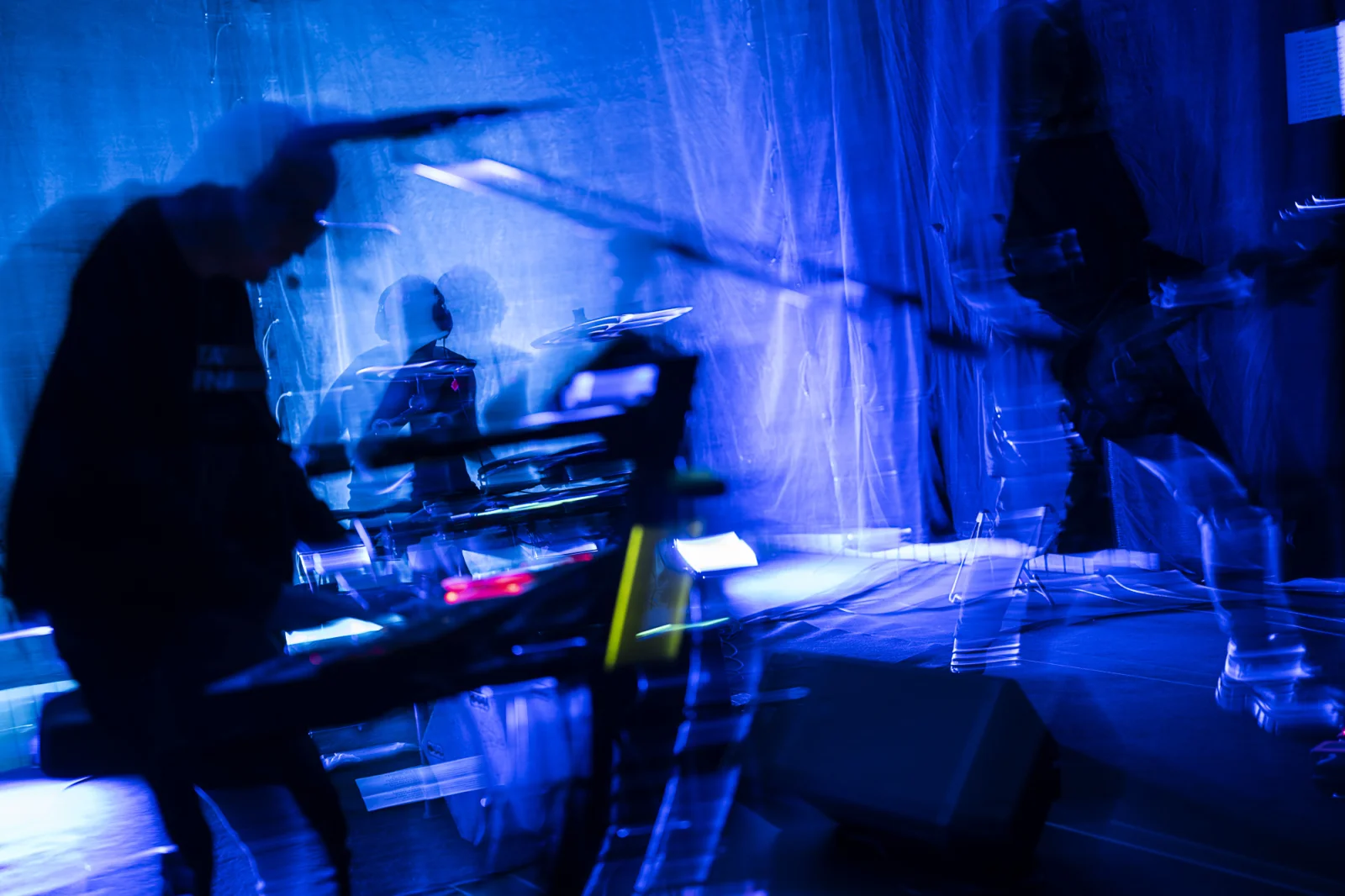
I thought what remained of my teenage years was mostly memories and a few things in the wardrobe. Like the Front 242 T-shirt I brought back from a school study trip to England and have now dusted off, years later, at Barrák in Ostrava. I have known Gun Dreams since primary school, but this was the first time I had heard them live. When Sing Pity began, all those years suddenly came back. A cassette from my cousin, my first computers, the search for a world of my own. And I realised how close I still am to the person I was back then.
In fourth grade, I listened to czech metal groups Arakain and Tublatanka, the latter even becoming the subject of a school report I wrote. Then my cousin came along with a few cassettes, and my musical repertoire changed. Suddenly there were Depeche Mode and EBM, led by Nitzer Ebb, Front Line Assembly and Skinny Puppy, but also Gun Dreams, Vanessa and the Slovak band The Dark.
The music connected with something I had been involved in since primary school: computers and programming, an interest in technology and the society it shapes. Synthetic sounds had a natural place in that world.
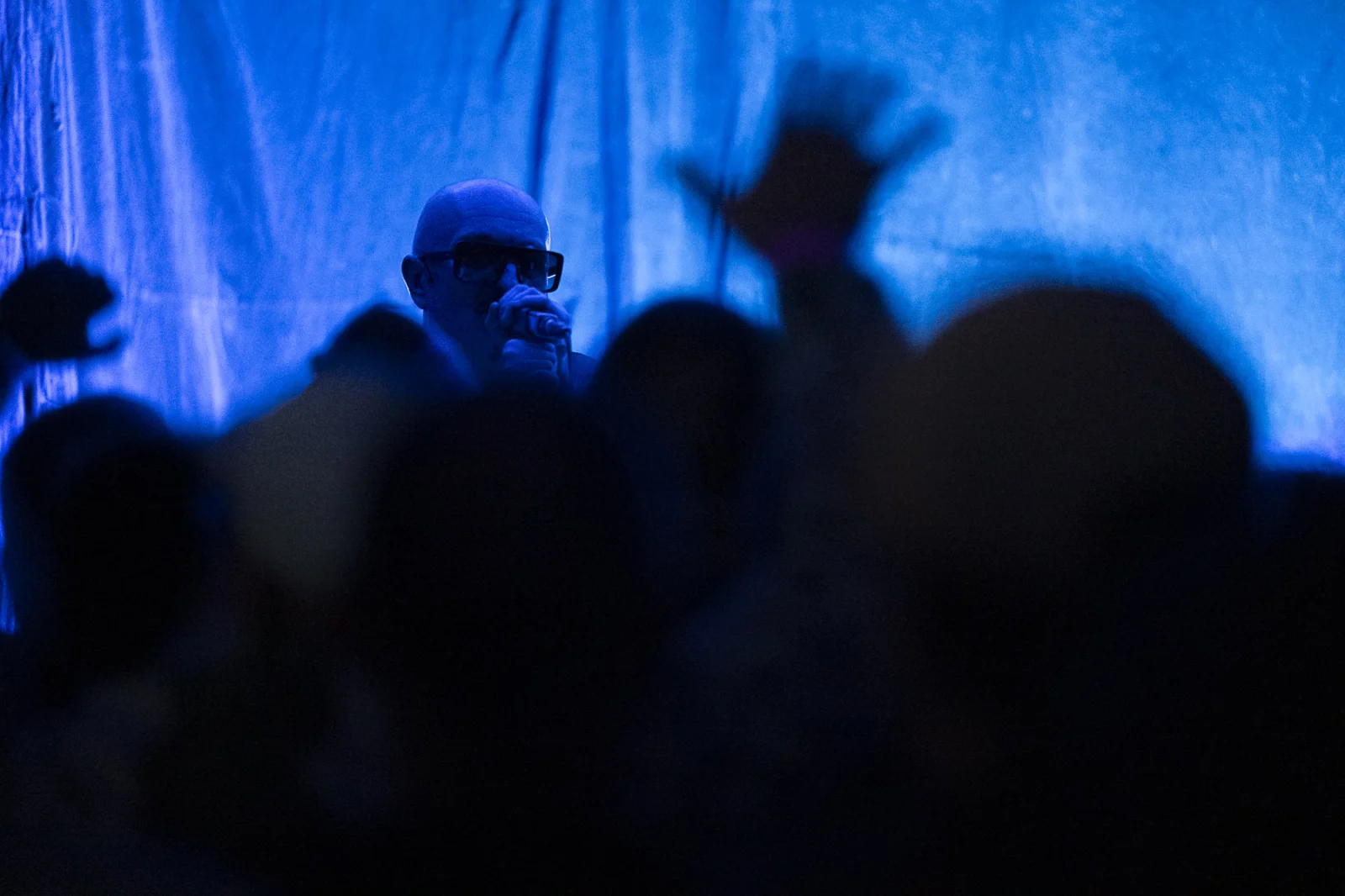
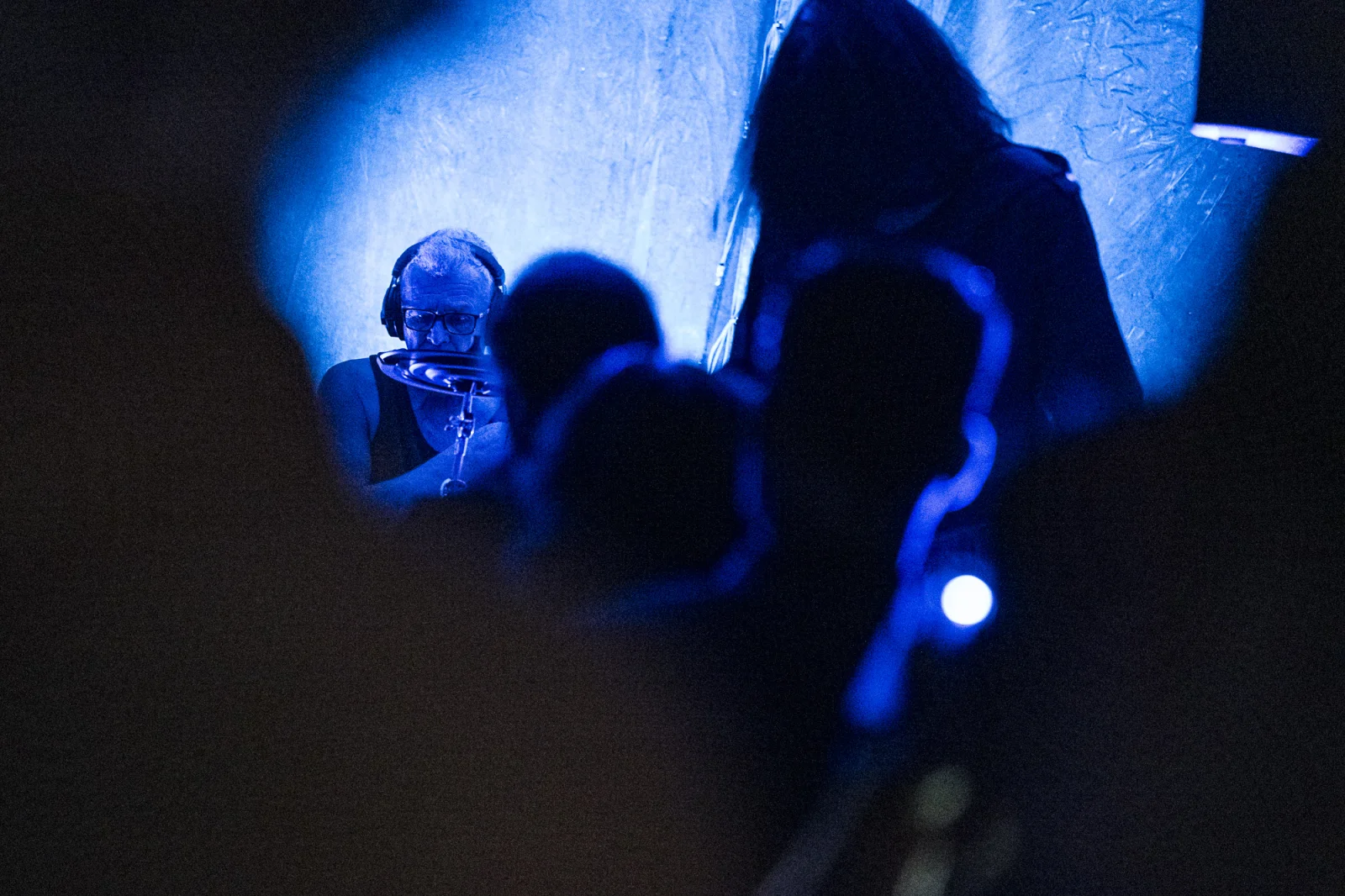
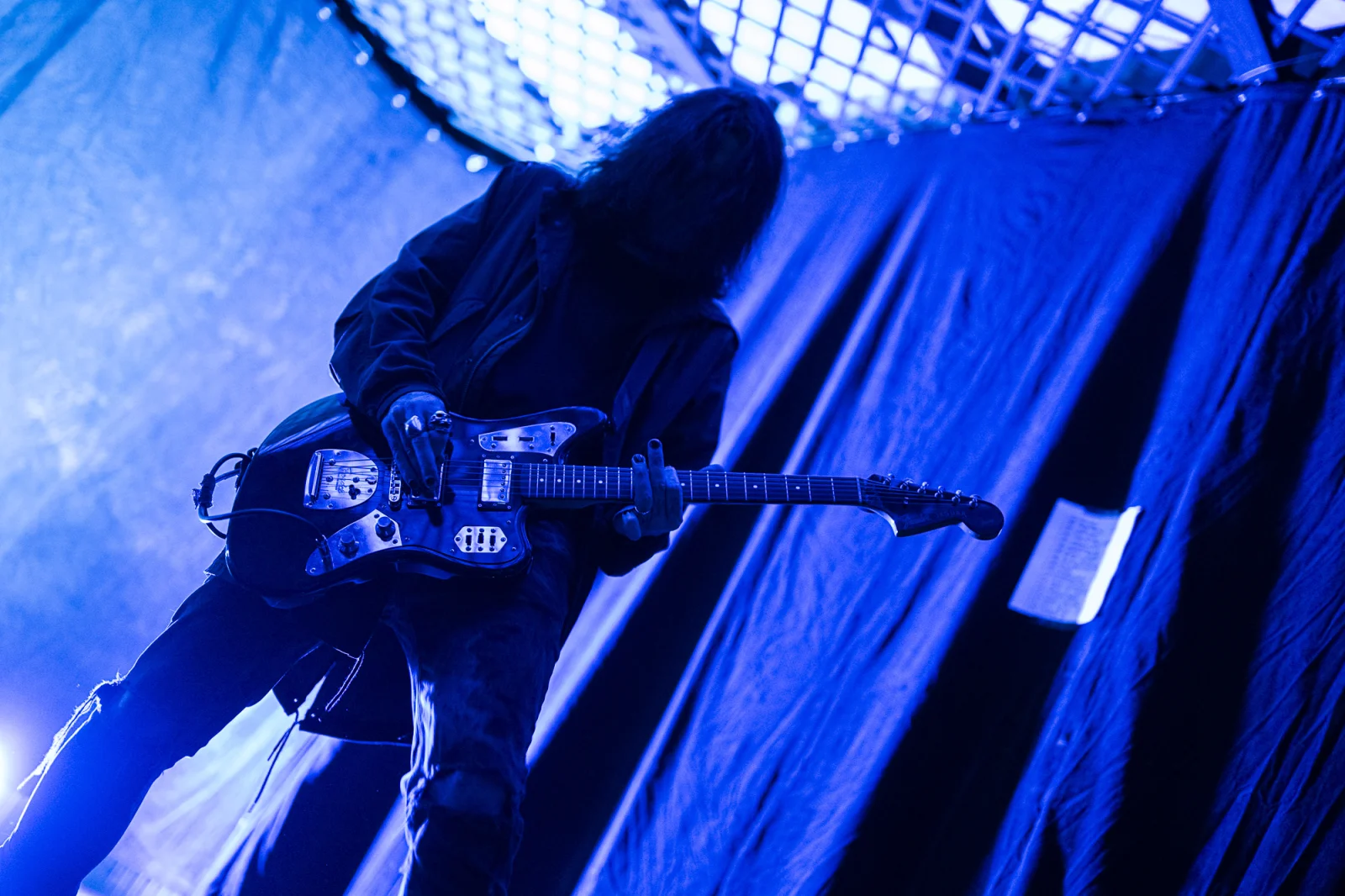
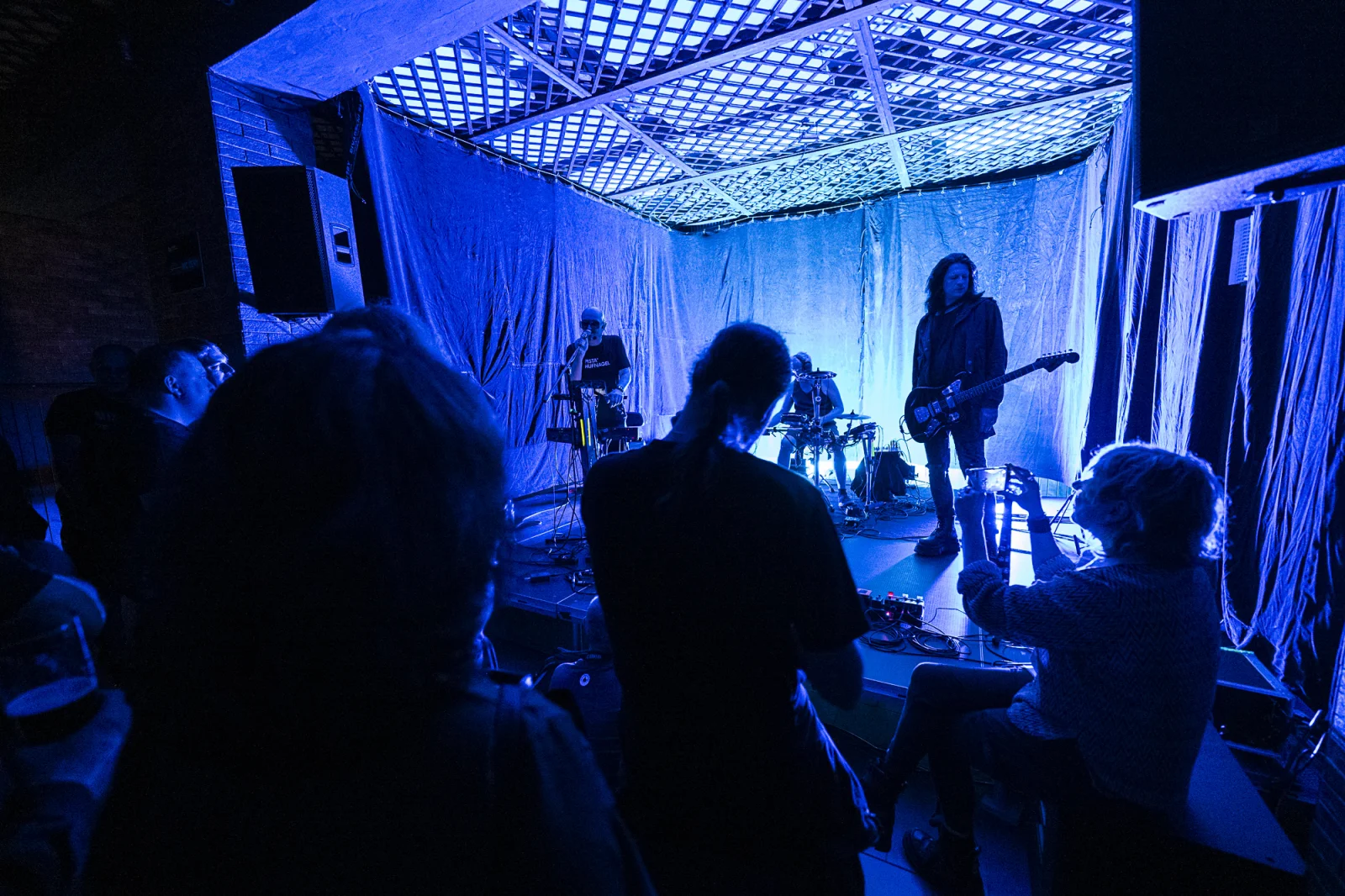
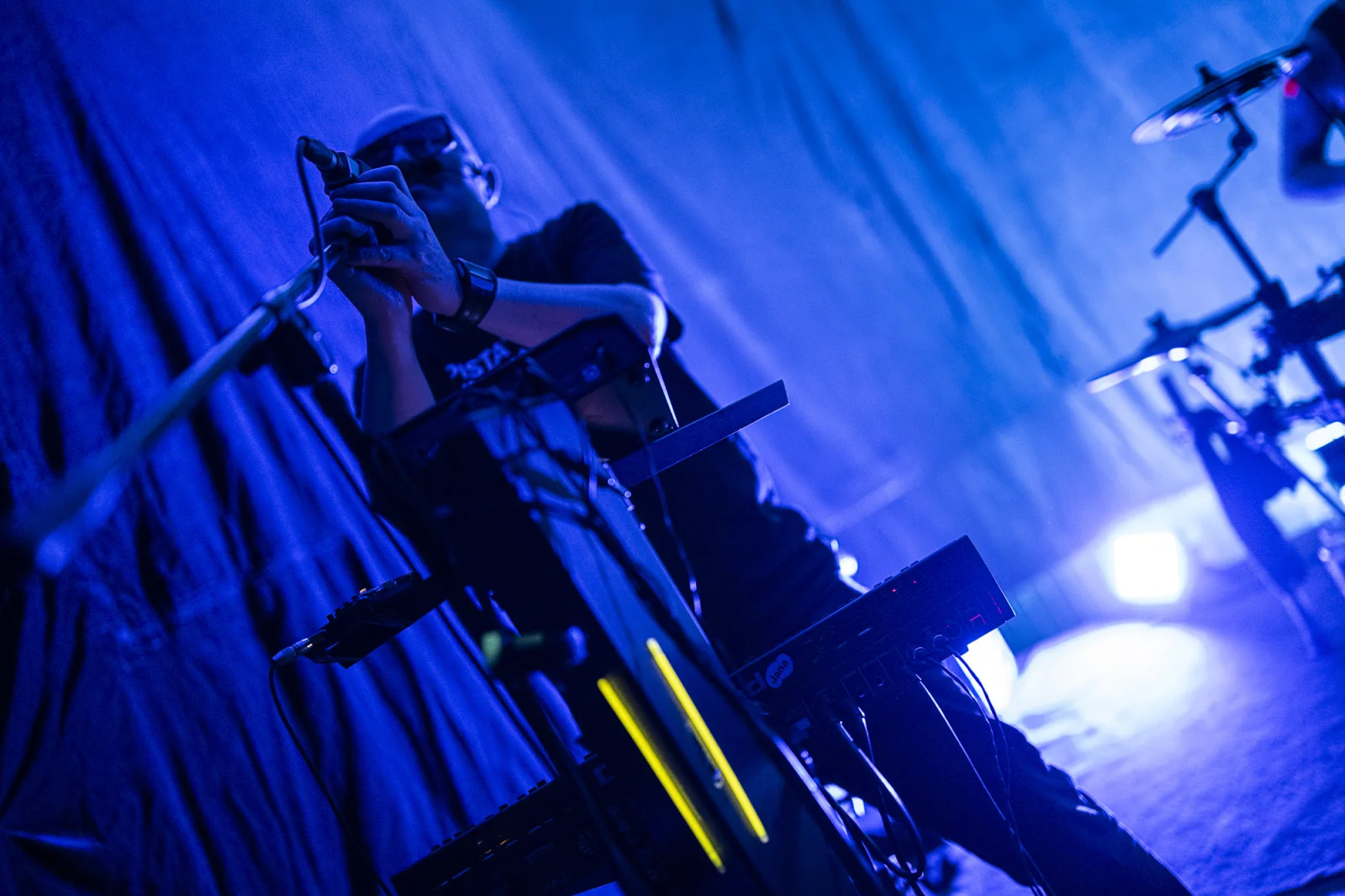
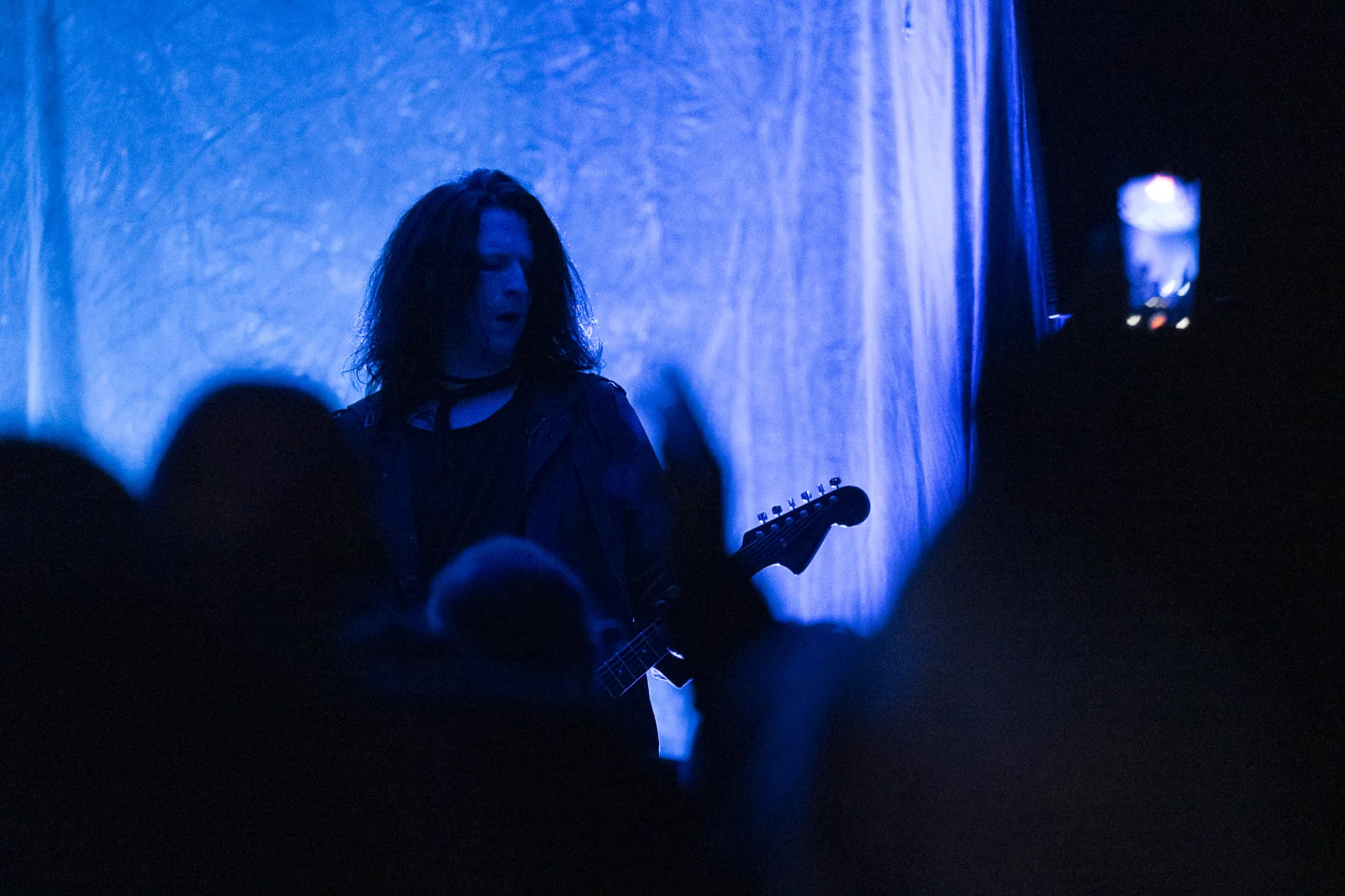
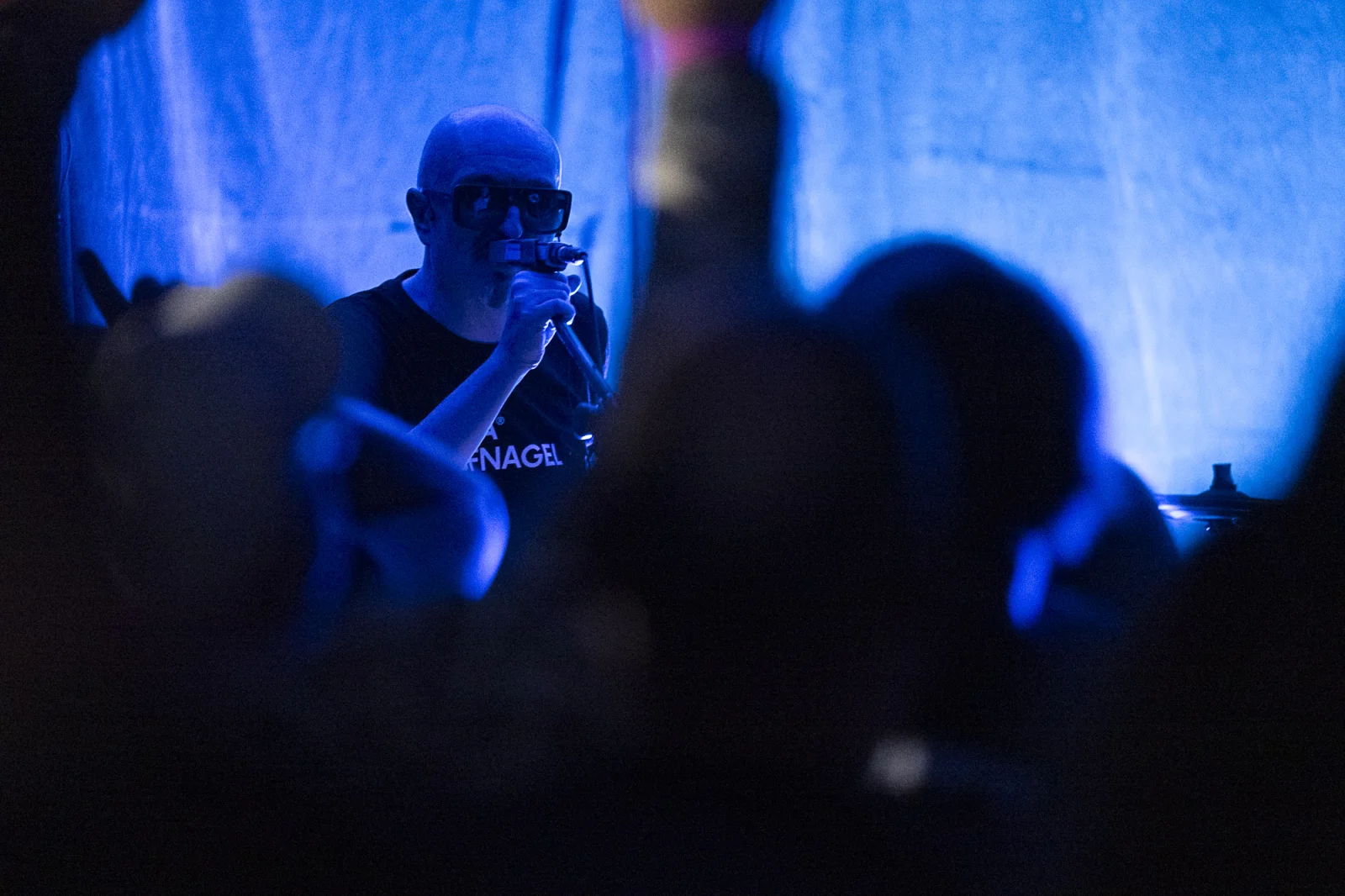
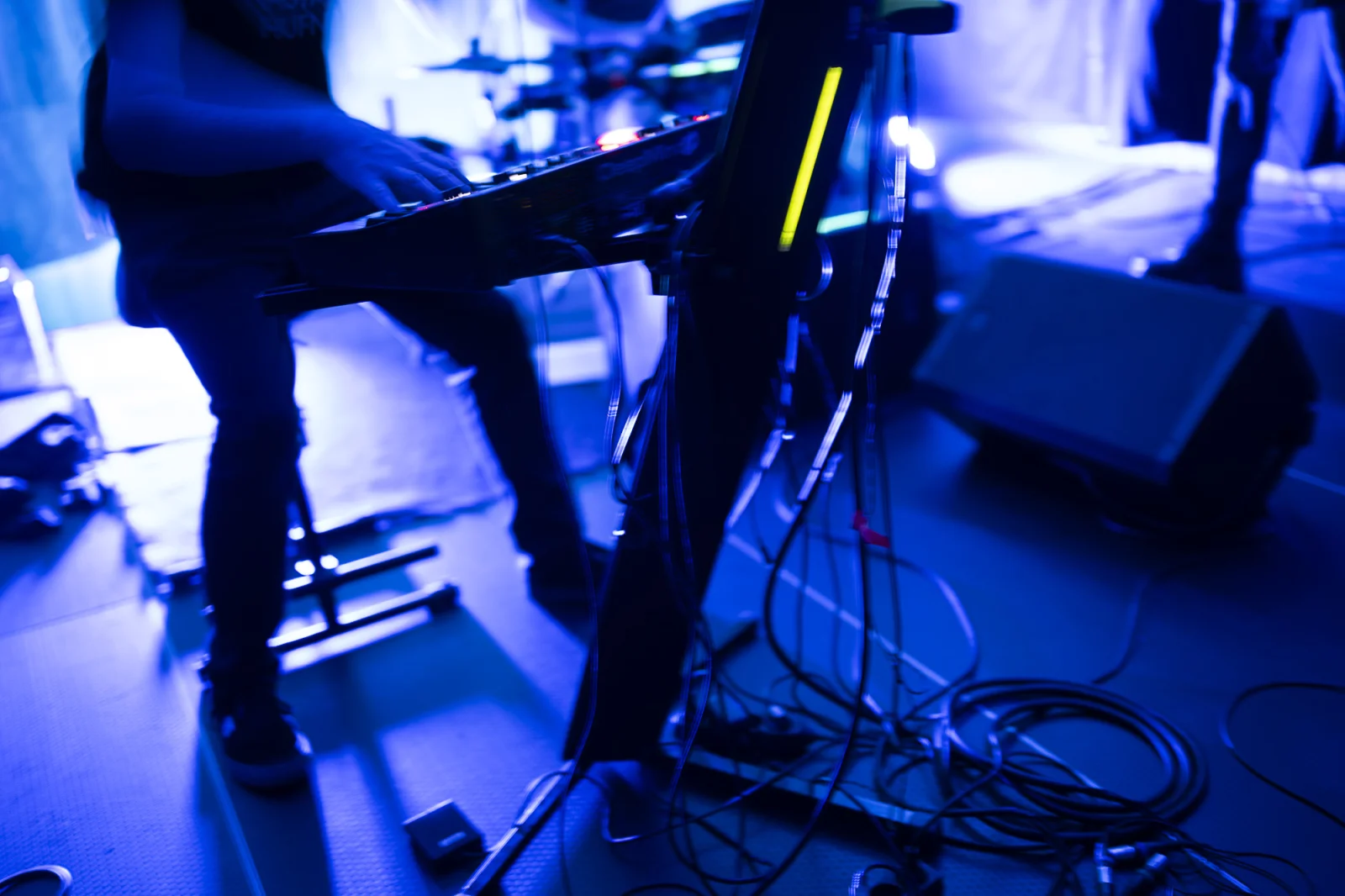
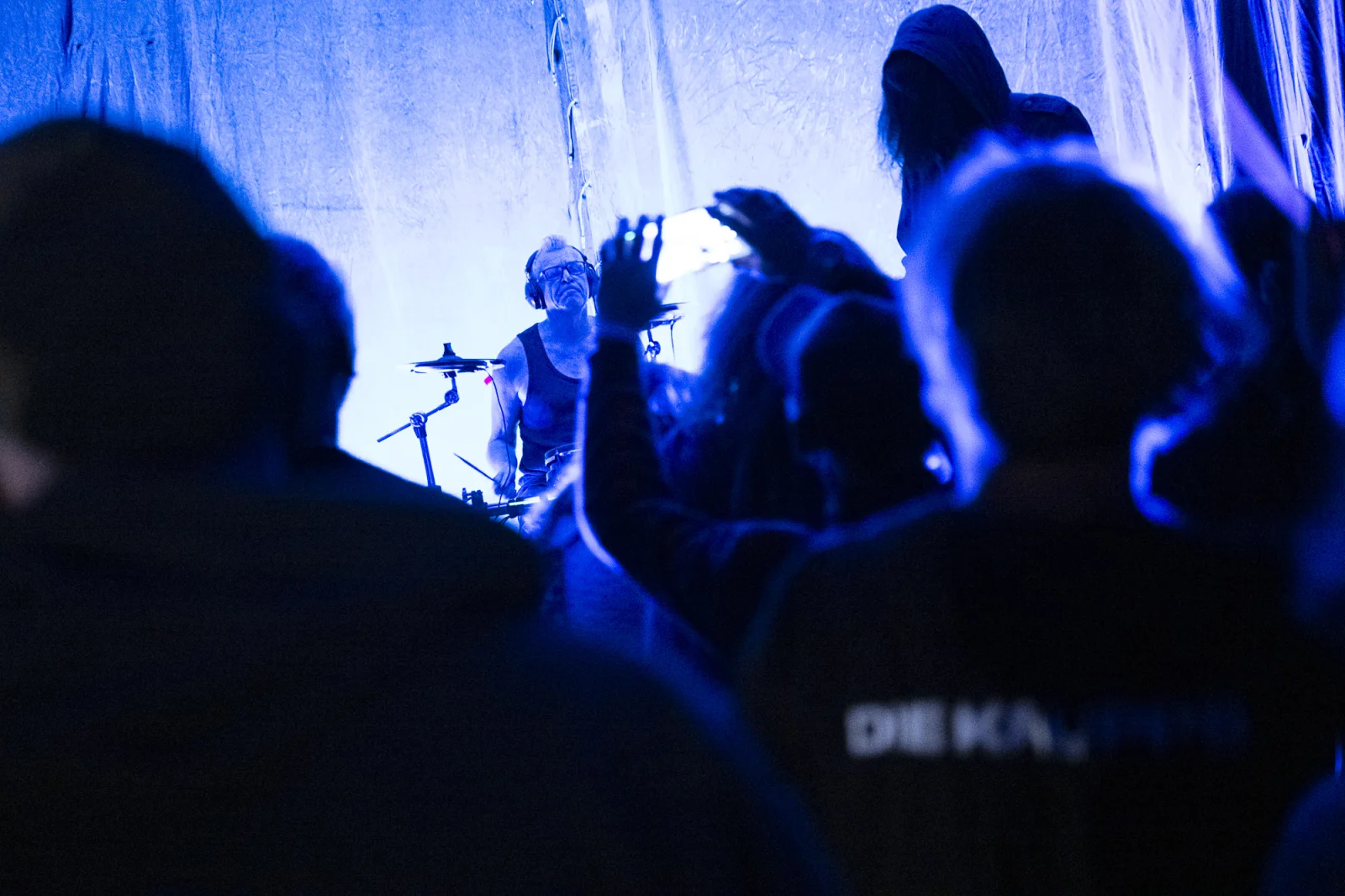
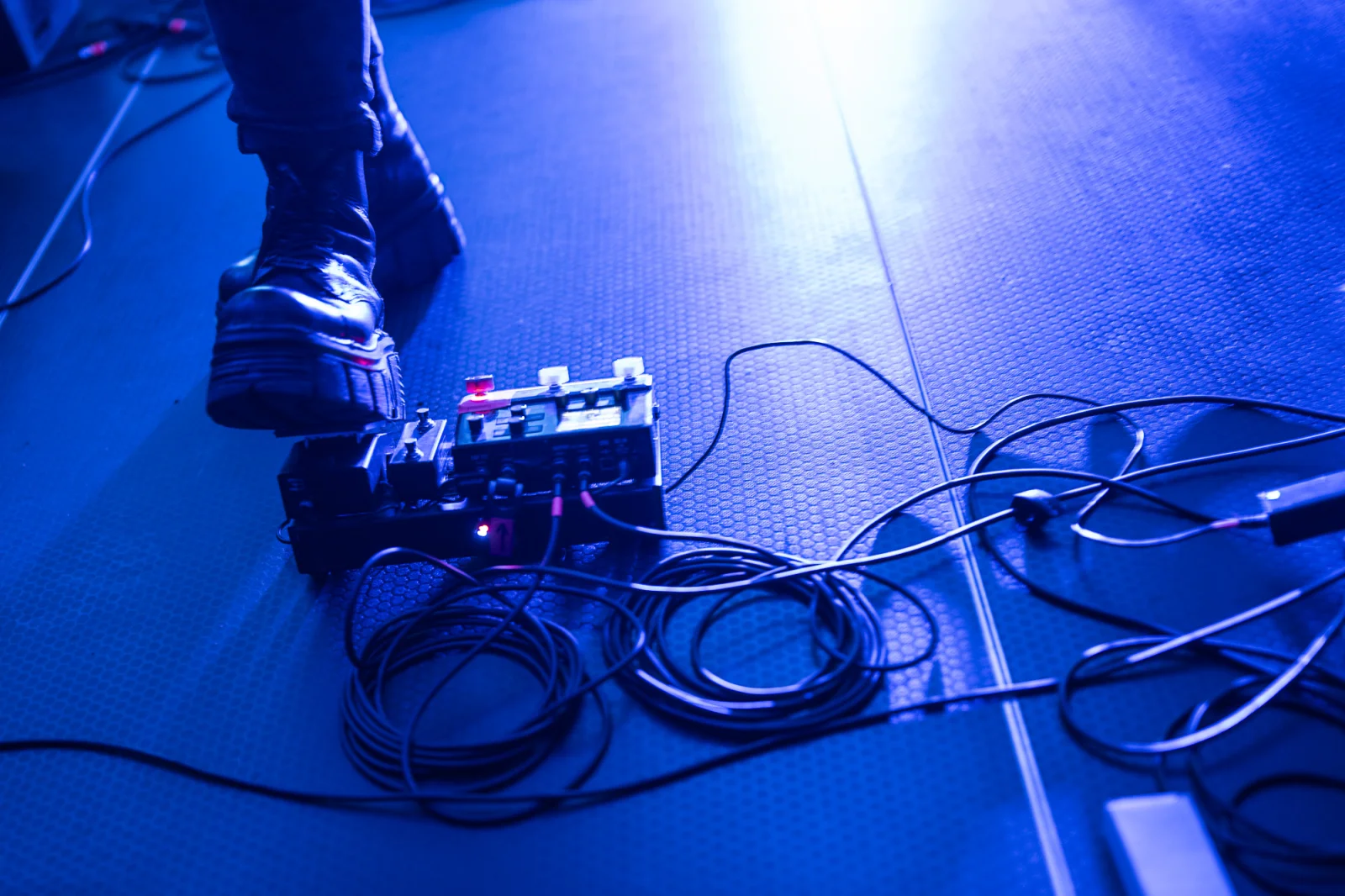
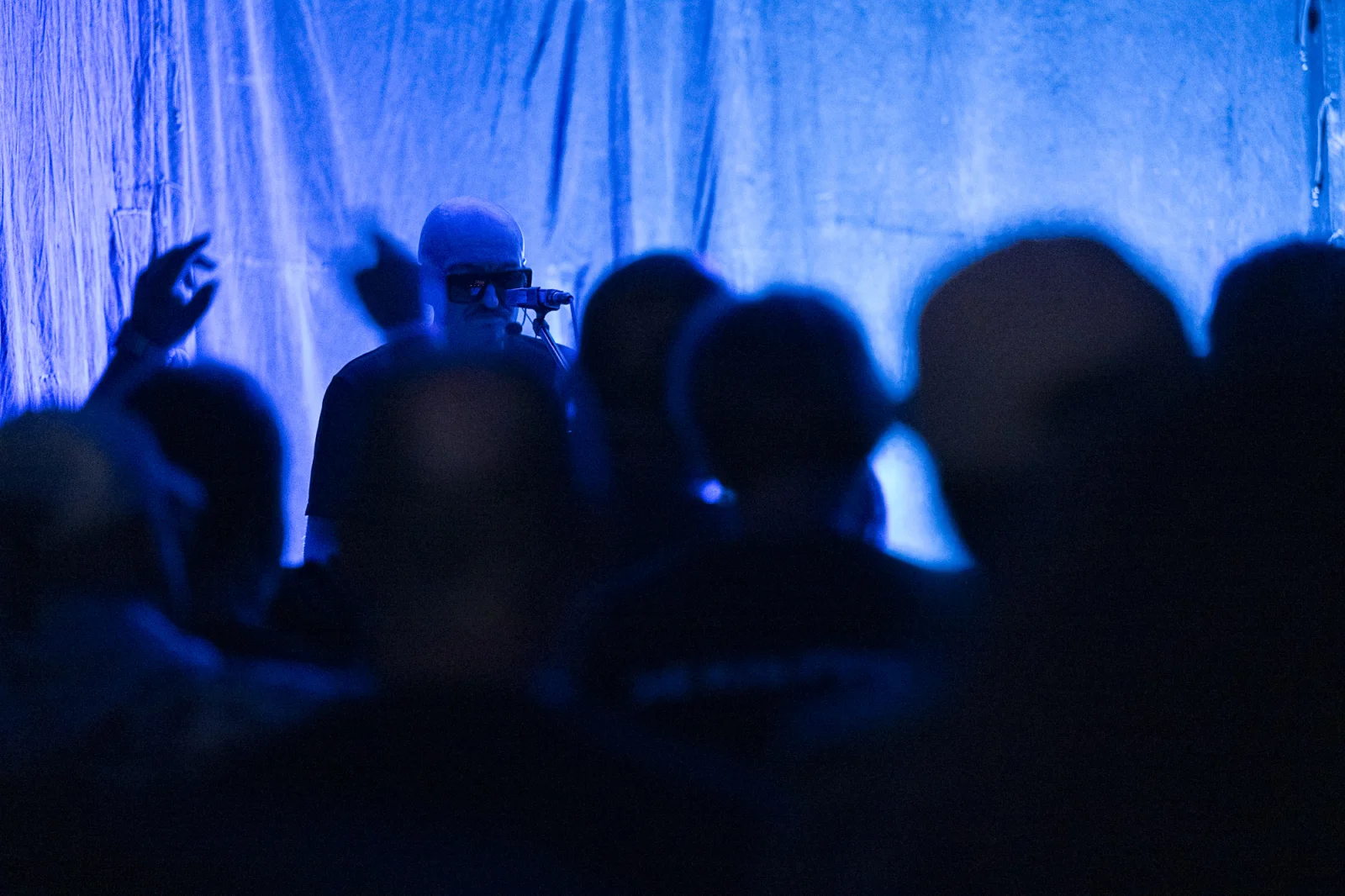
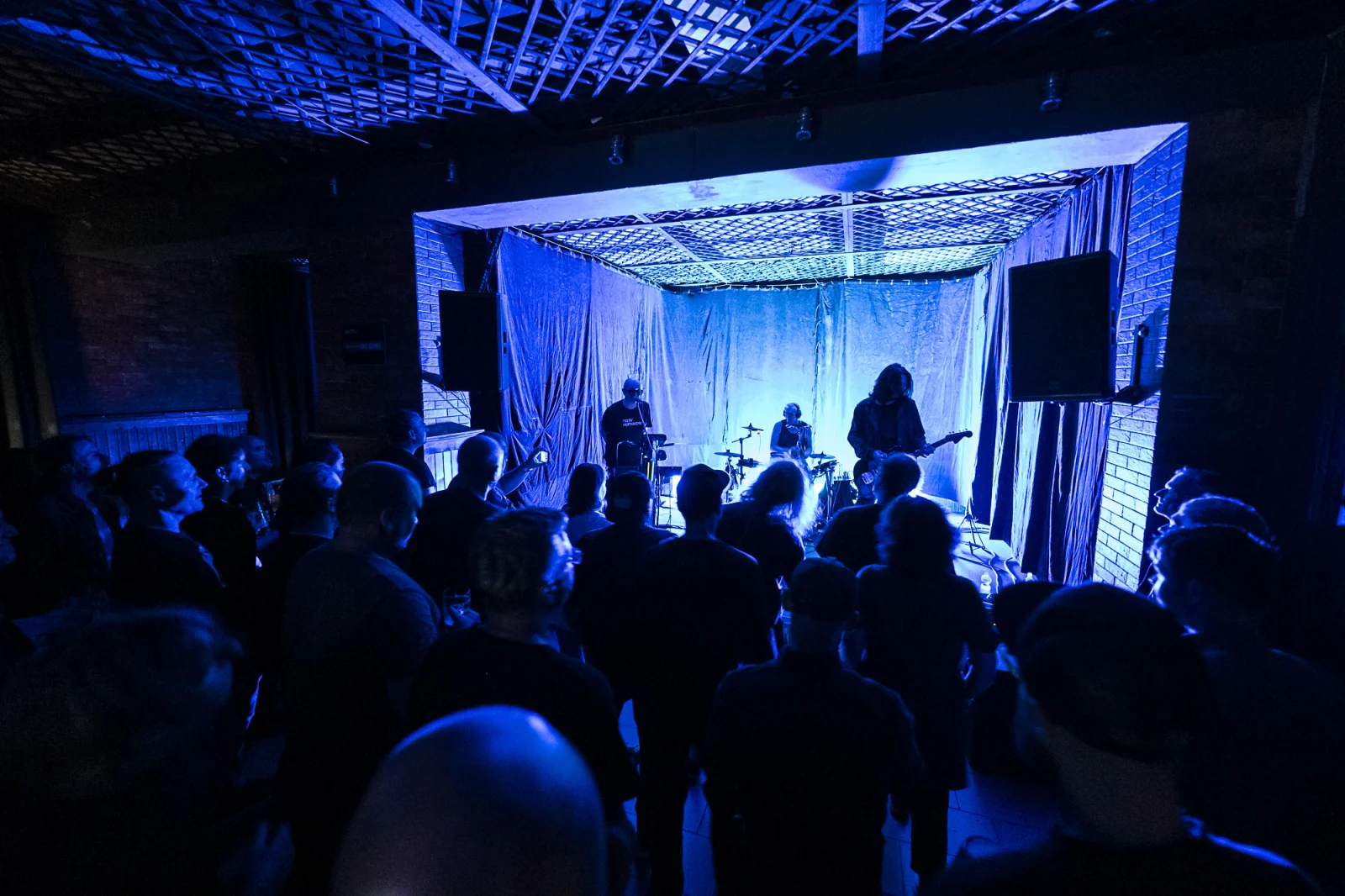
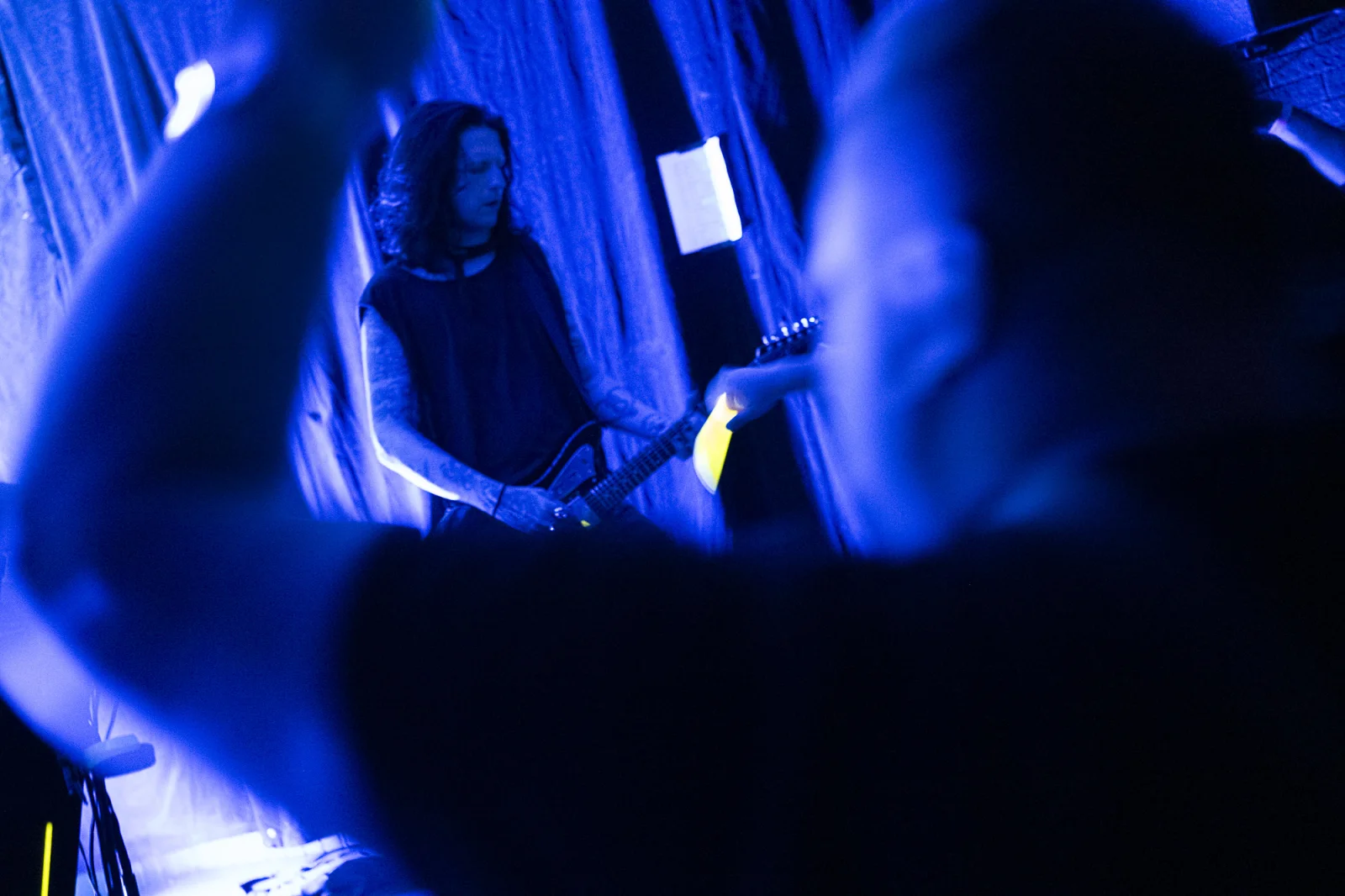
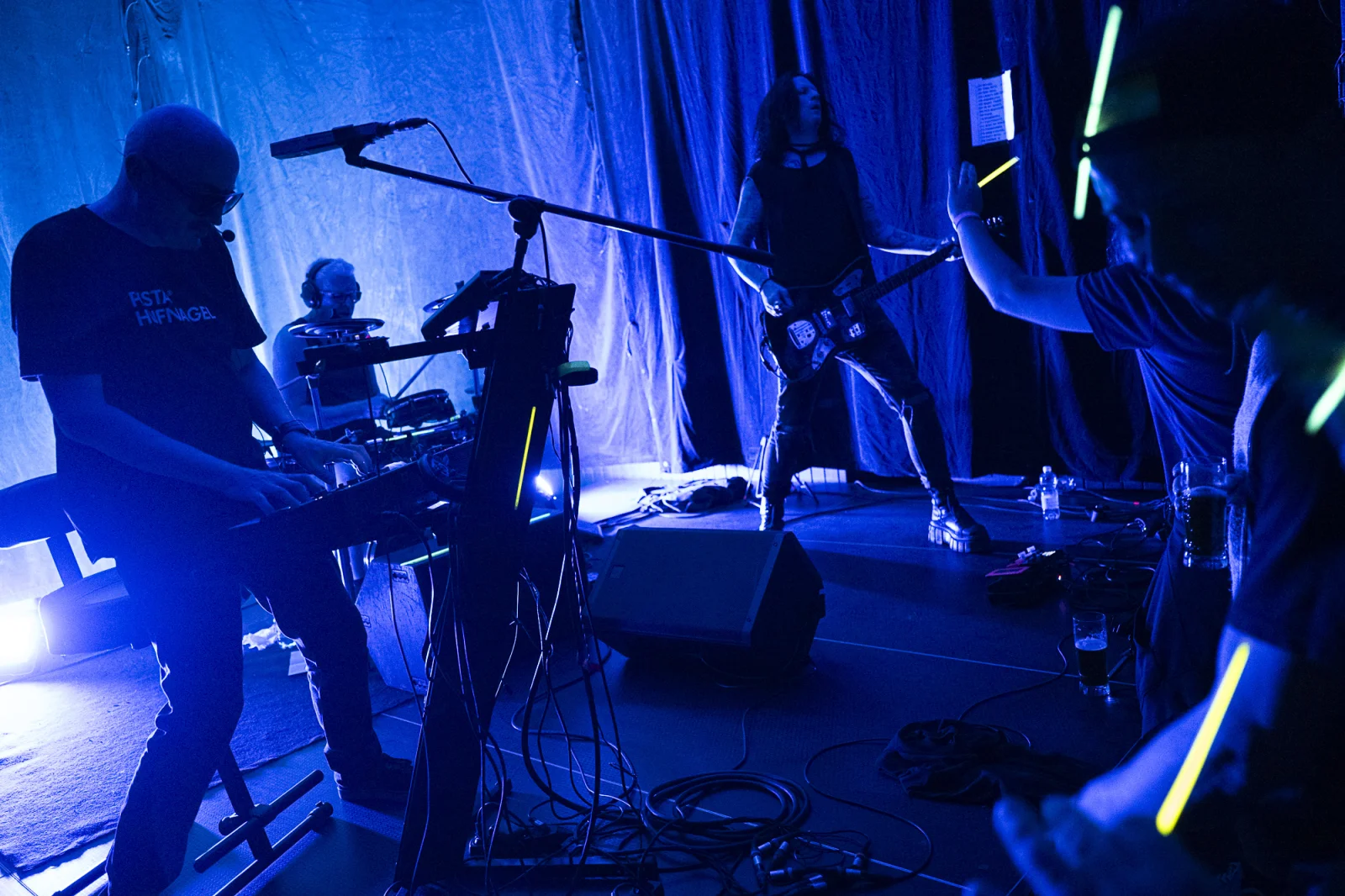
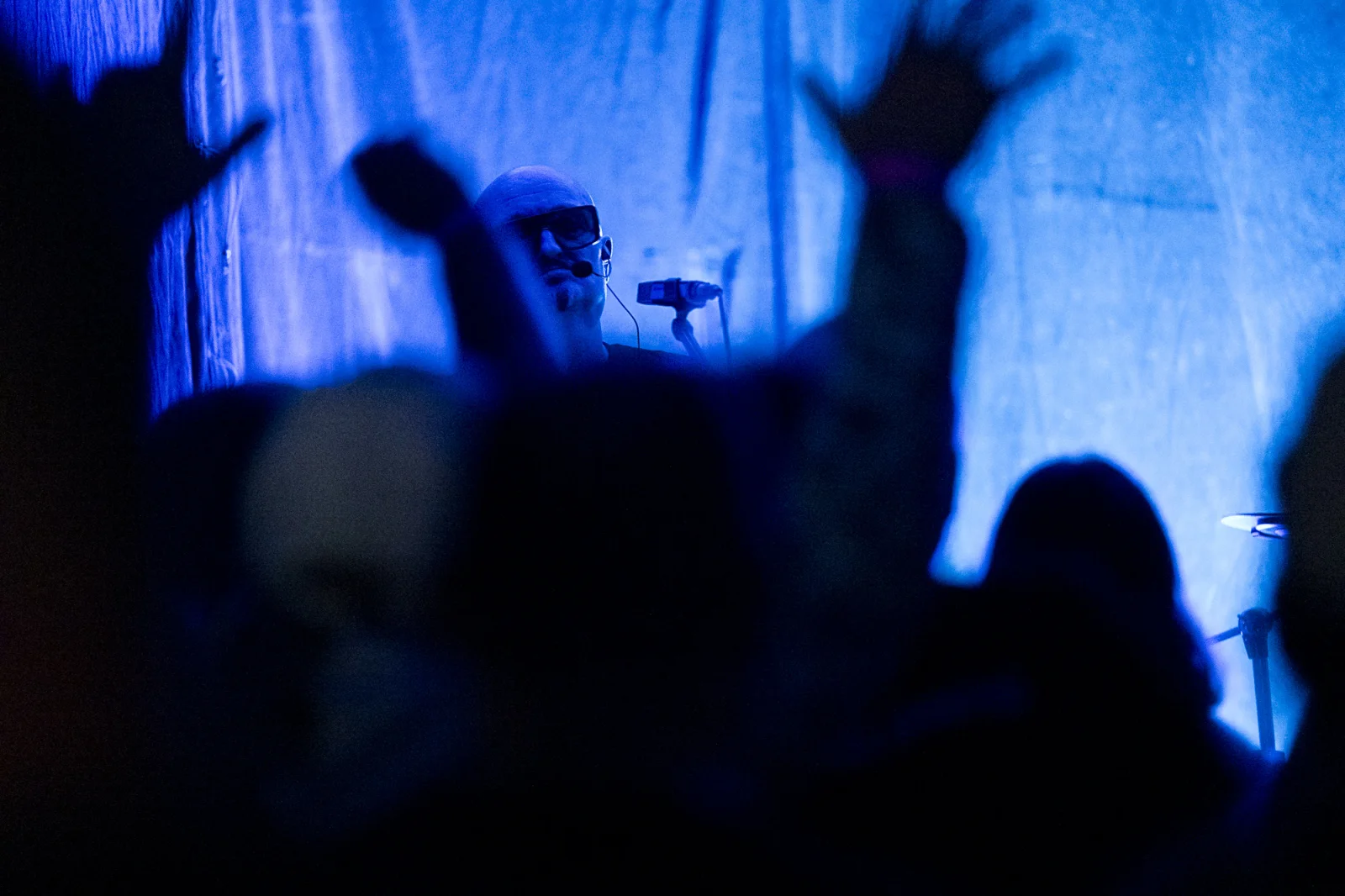
I know Barrák from the stage as well. Not long ago, we played here with Downbelow, sharing the bill with Helmutova stříkačka. This time I was on the other side. Over heads and shoulders, I could see the three musicians and their instruments. A strange encounter after more than thirty years.
Throughout the concert, the only light was blue. One colour, with silhouettes and movements shifting within it. Sing Pity was one of the few tracks that sounded almost the same to me as it did on the record. My favourite from the debut album Ho Scelto! had retained its familiar form. It is actually striking how little happens in it. Monotonous repetition, the vocals arriving only at the very end — and that is precisely why it works.
The material from Totem, in particular, struck me as more fully realised than on the original recordings. Not necessarily different; more as if it had matured over those thirty years. The individual layers connected. Electronics, guitar, rhythm and voice formed a single whole.
I think this also has to do with what all three members do outside Gun Dreams. With all the projects and experiences that inevitably find their way into the old material. When the band re-formed, Papež had already spoken about rearranging songs from the first two albums. At Barrák, I could hear that work.
Change has, in fact, been part of the Gun Dreams story from the beginning. Miroslav “Pope” Papež and Lubor “Lax” Benda founded the band in Pardubice in 1988. Both were working at Synthesia at the time, and according to the history documented in the Bigbít encyclopaedia, they used tapes of authentic factory sounds on their early demo Remember Dreams. The tracks even bore the designations of the production buildings. Their everyday working environment became material that could be recorded, taken apart, rearranged and listened to in a different way.
In Přívoz, those origins have a particular resonance. The chemical complex in Pardubice and Ostrava’s industrial experience have much in common. In both cases, the factory is more than a backdrop — it is an environment that shapes the city and the people around it.
I have no idea whether any of the original factory recordings were played that evening. The sound of a dentist’s drill certainly was. Papež readily explained its origins to the curious audience. Before Der Mussolini, there was a recollection of the early nineties and pogoing skinheads who apparently had not quite understood what they were dancing to.
After the concert, what stayed with me was the feeling of a strange return. Primary school, secondary school, a cassette from my cousin, my first computers, music from an entirely different world — set against the blue light of a small stage in Přívoz and my first Gun Dreams concert.
I realised how much had happened since then. Sometimes you open a wardrobe and reach into another period of your life.