Journal · 2026-10-18
New cross commemorates the chapel and the vanished Adamov
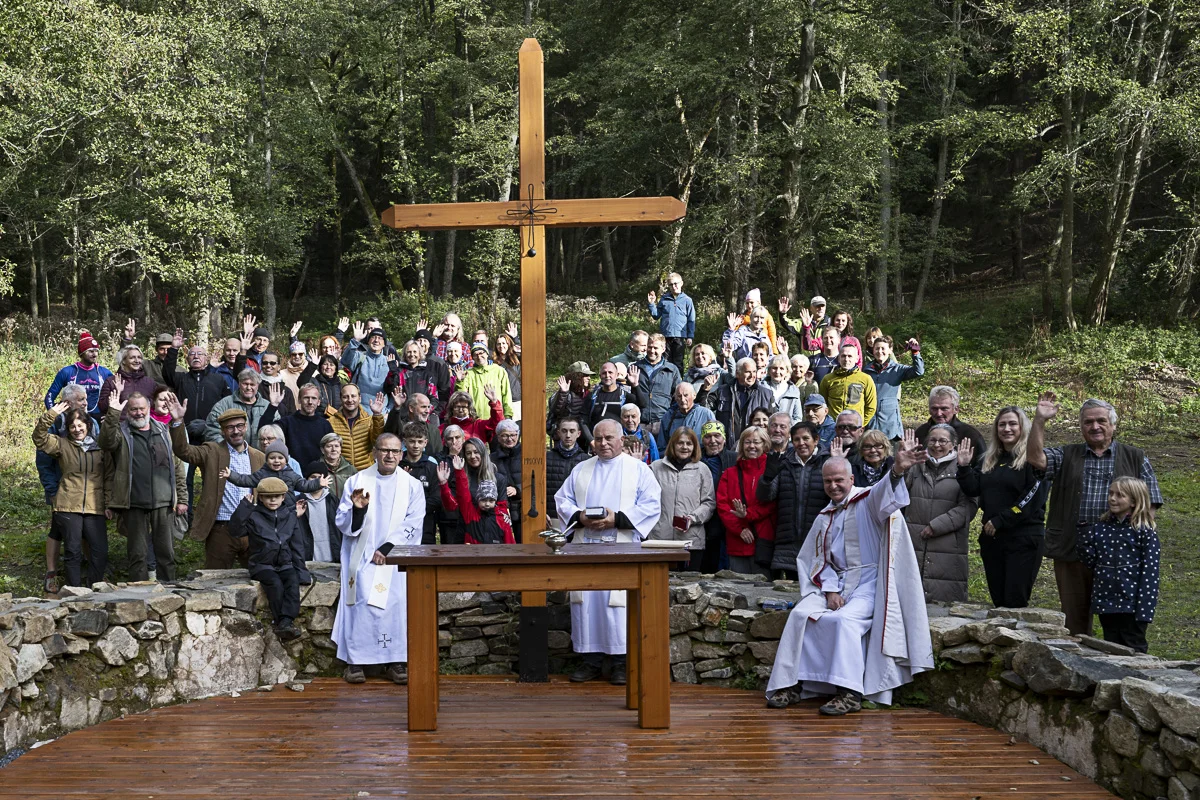
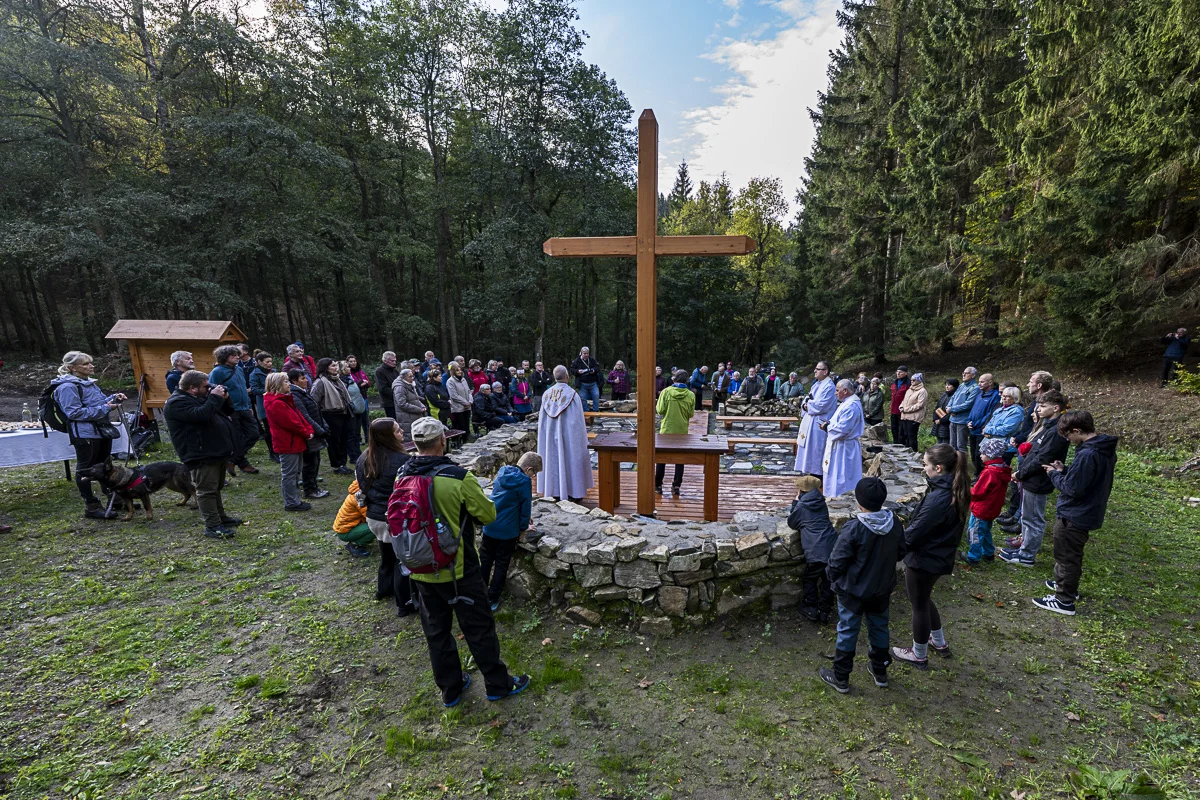
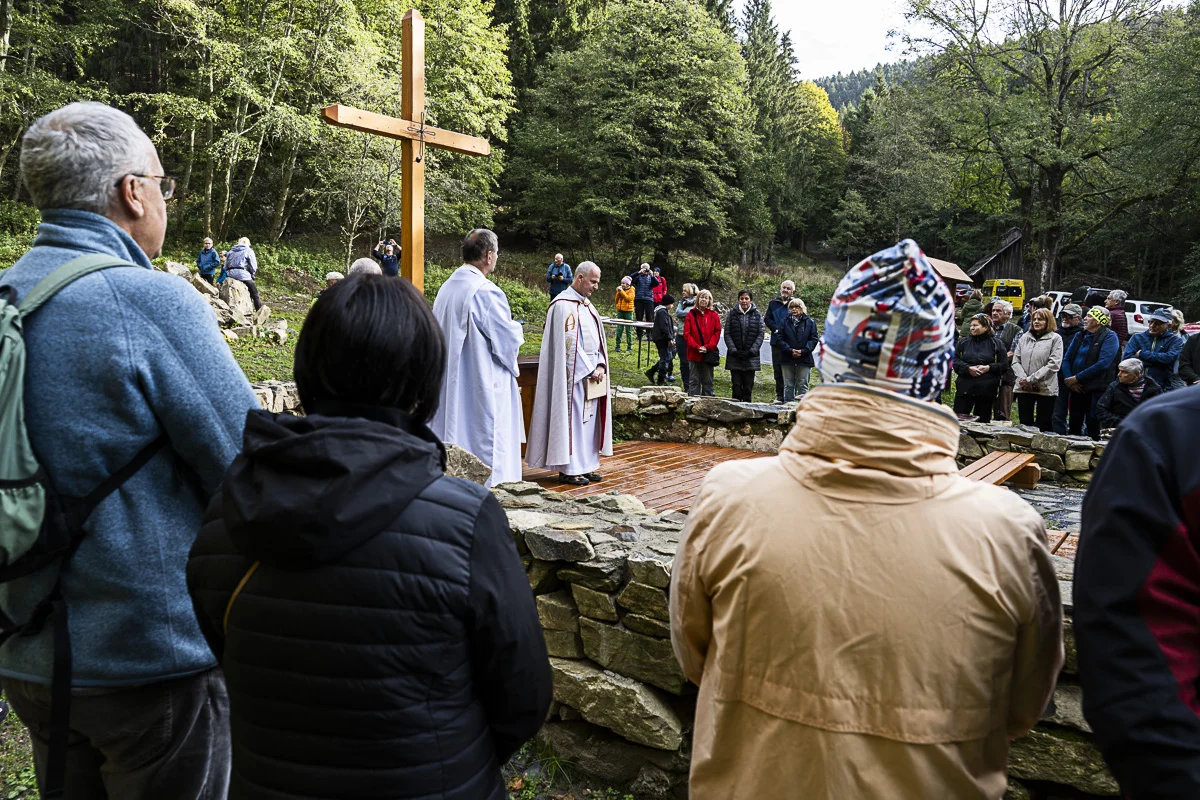
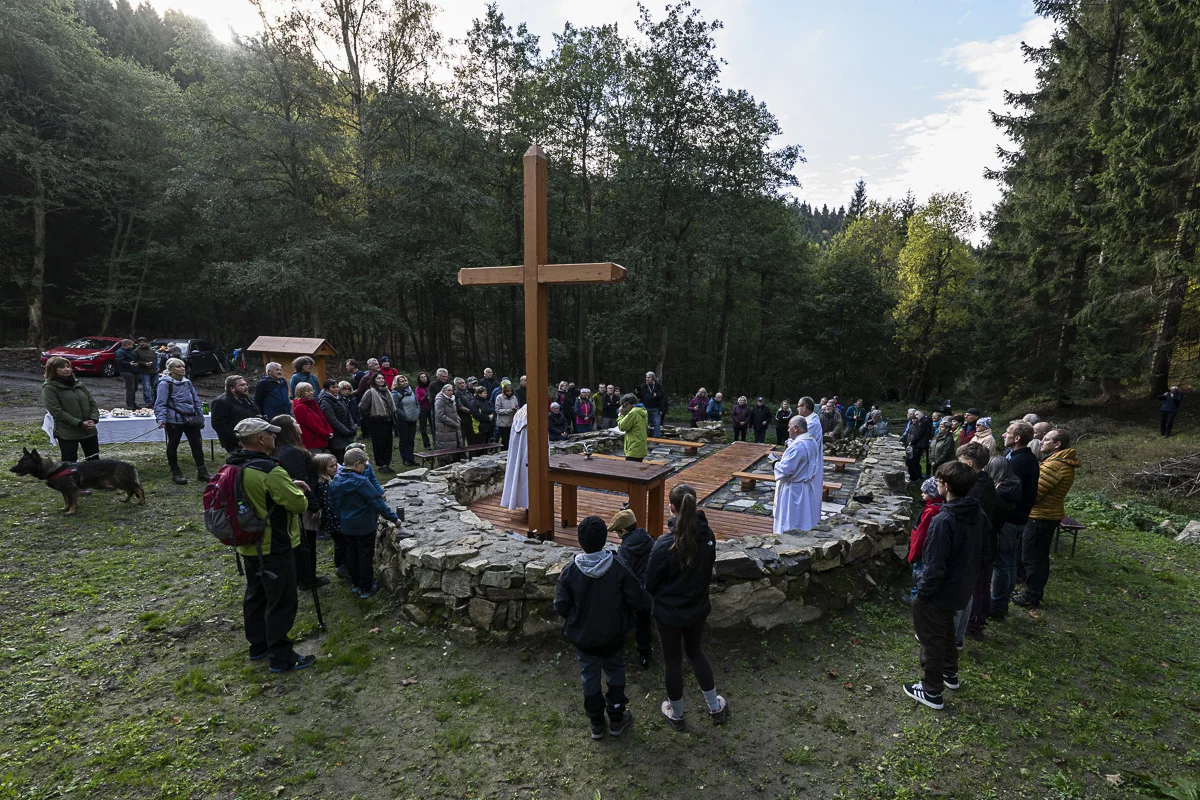
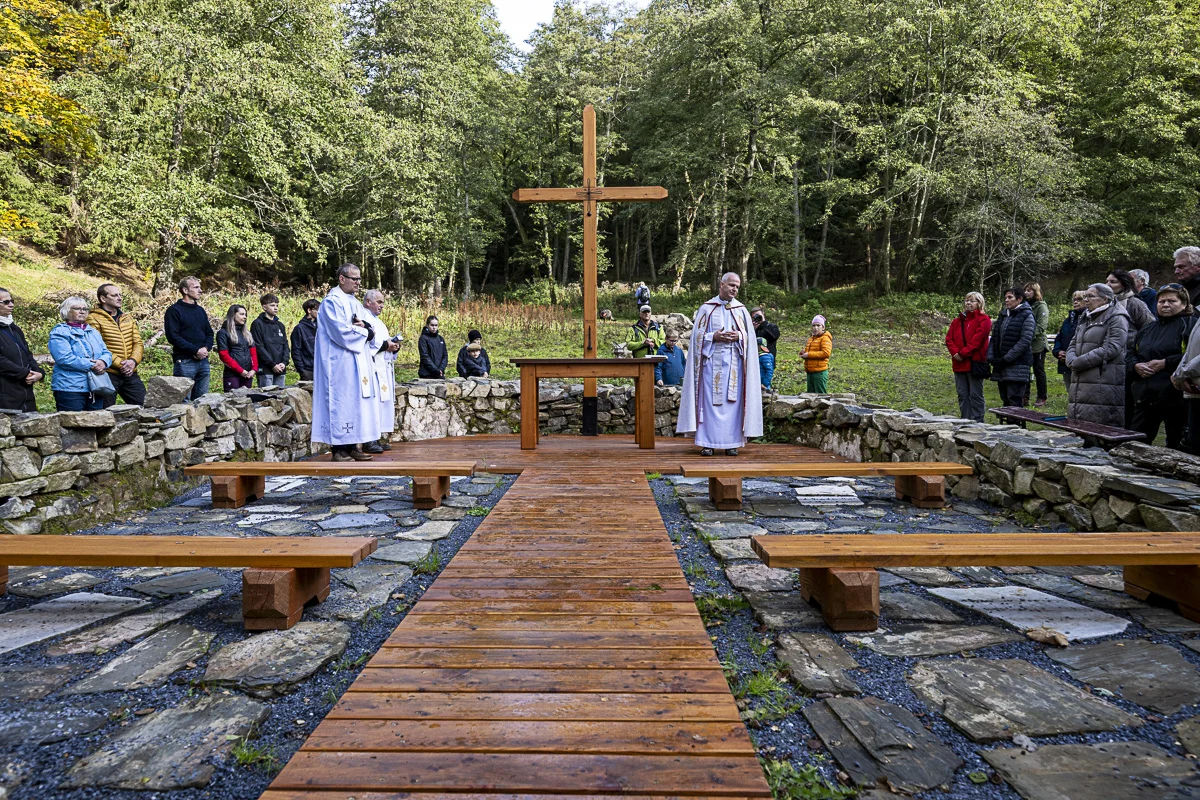
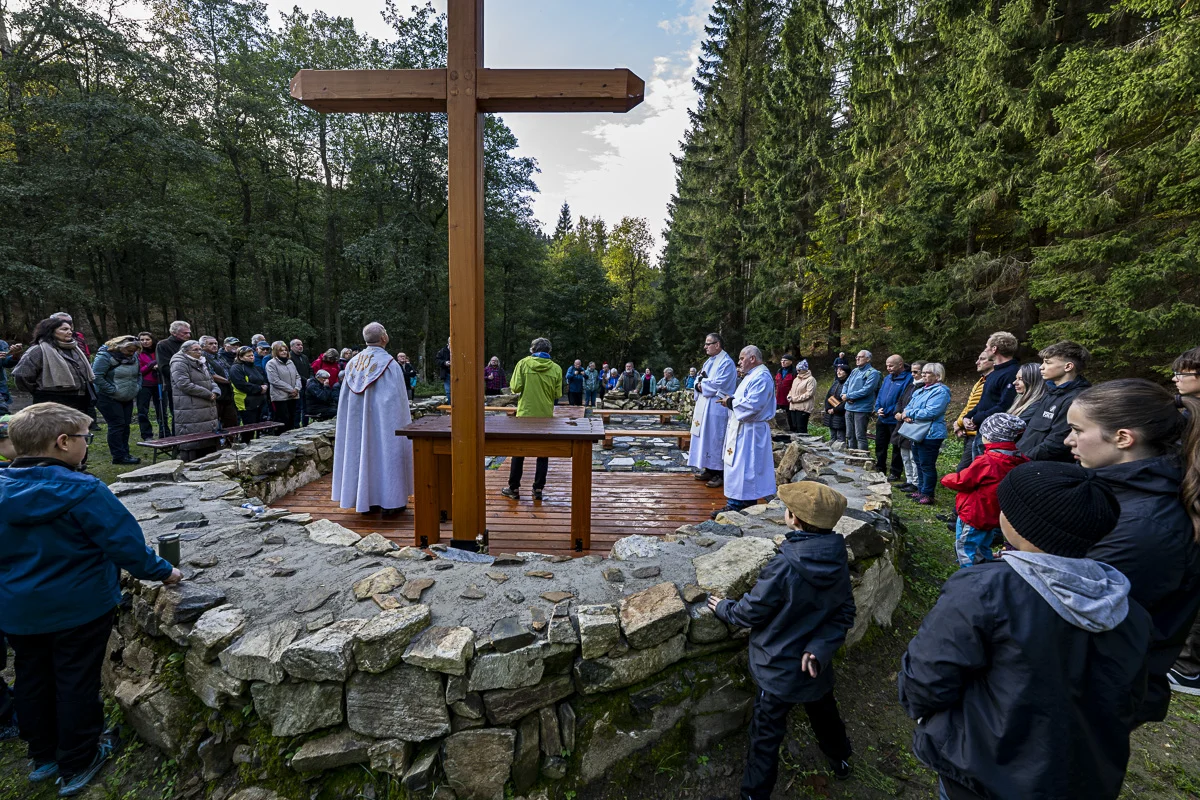
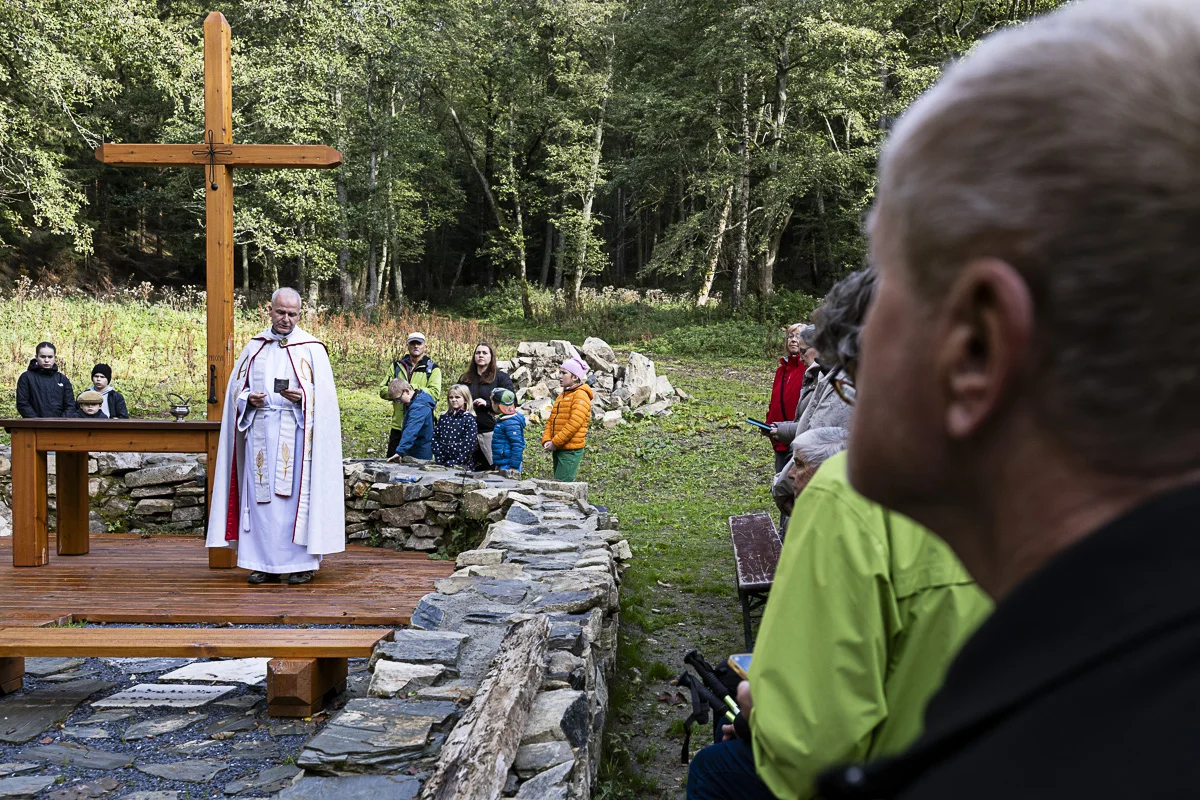
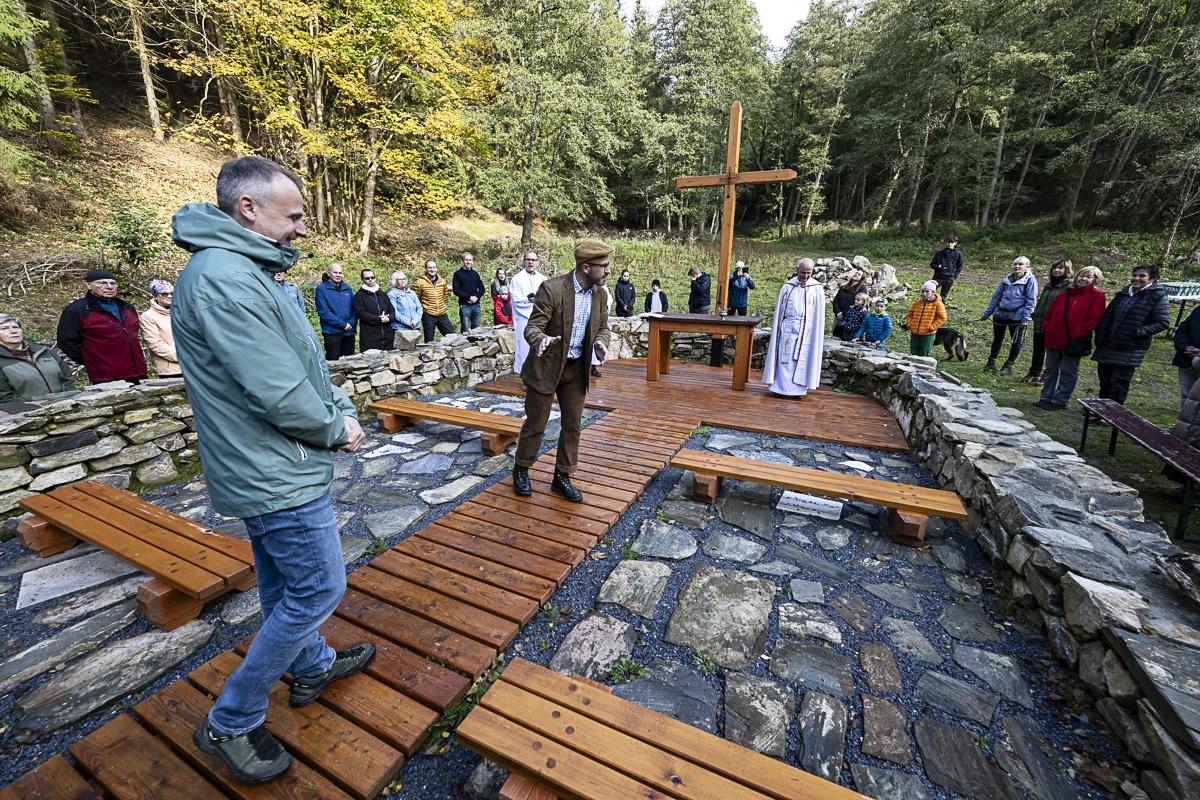
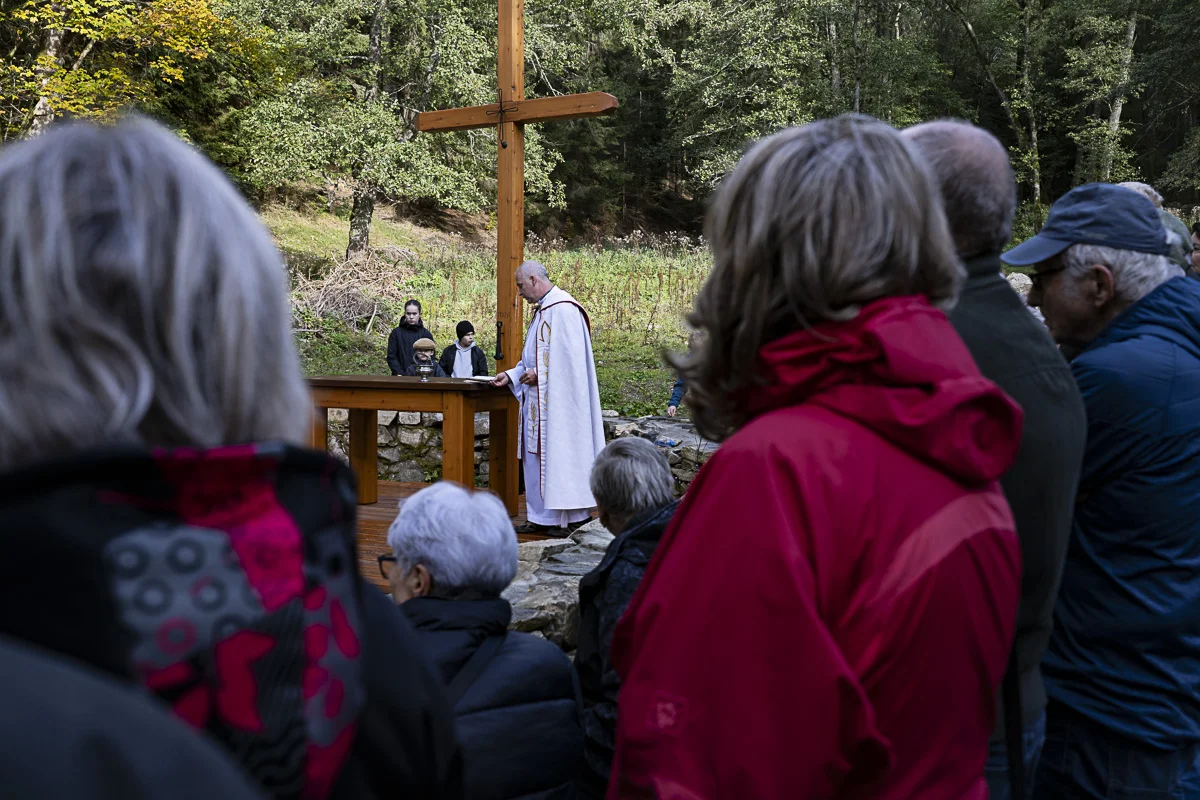
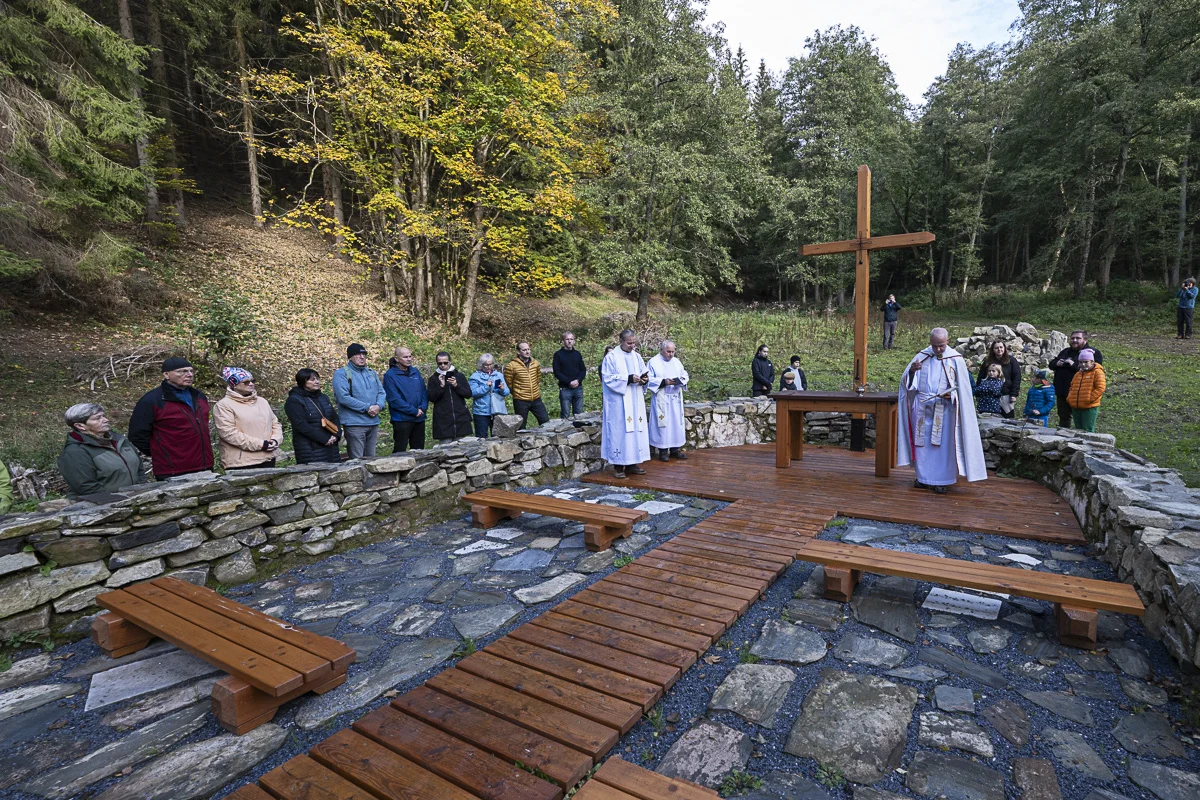
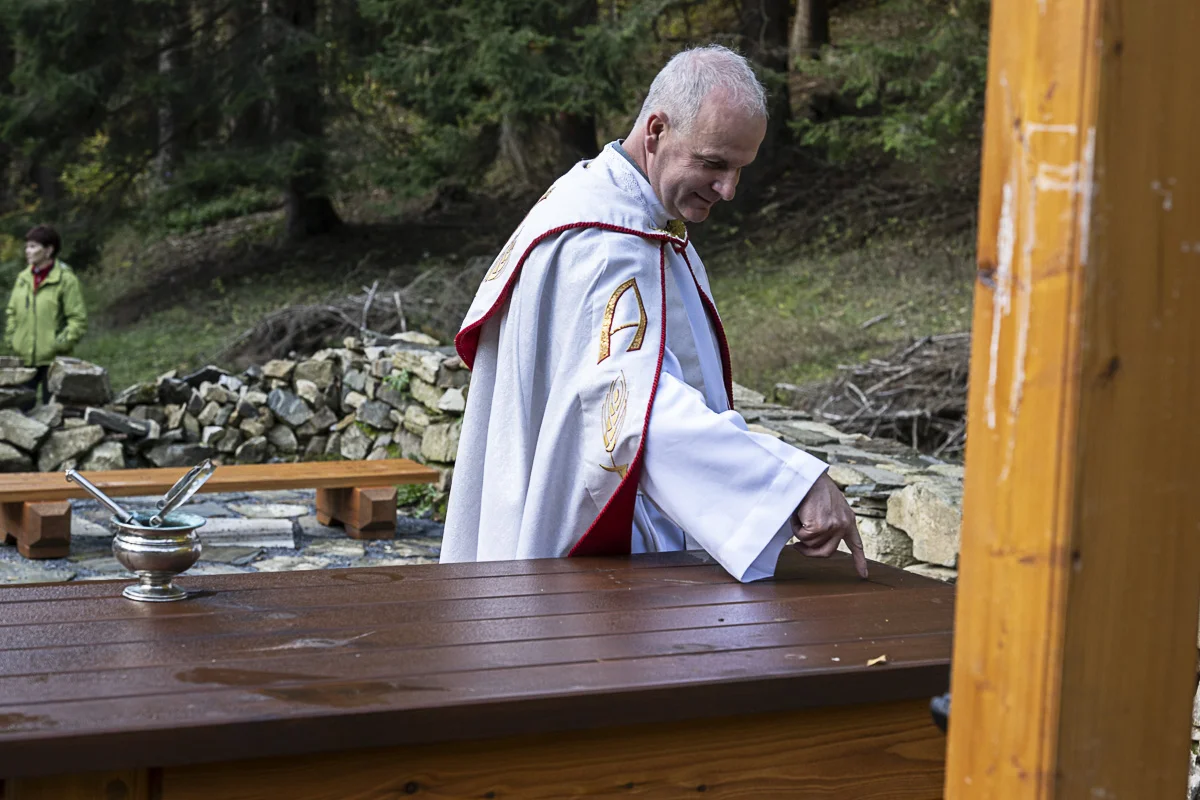
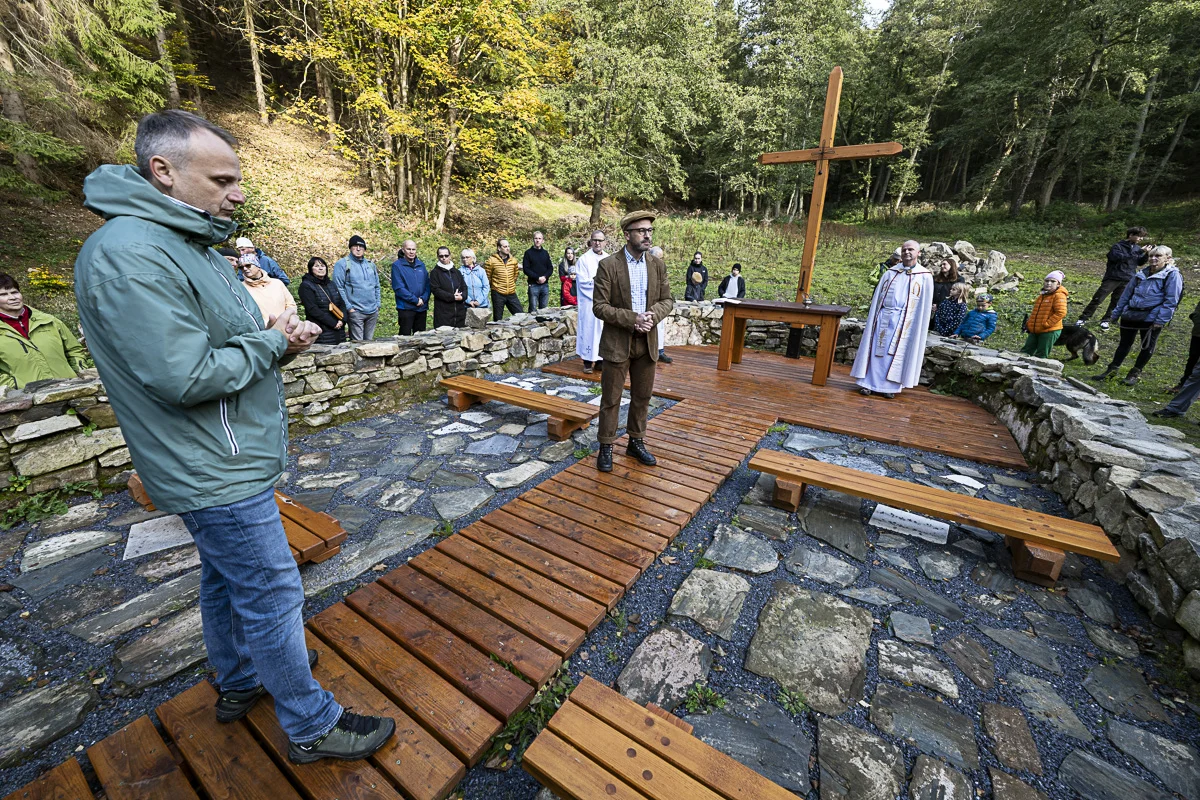
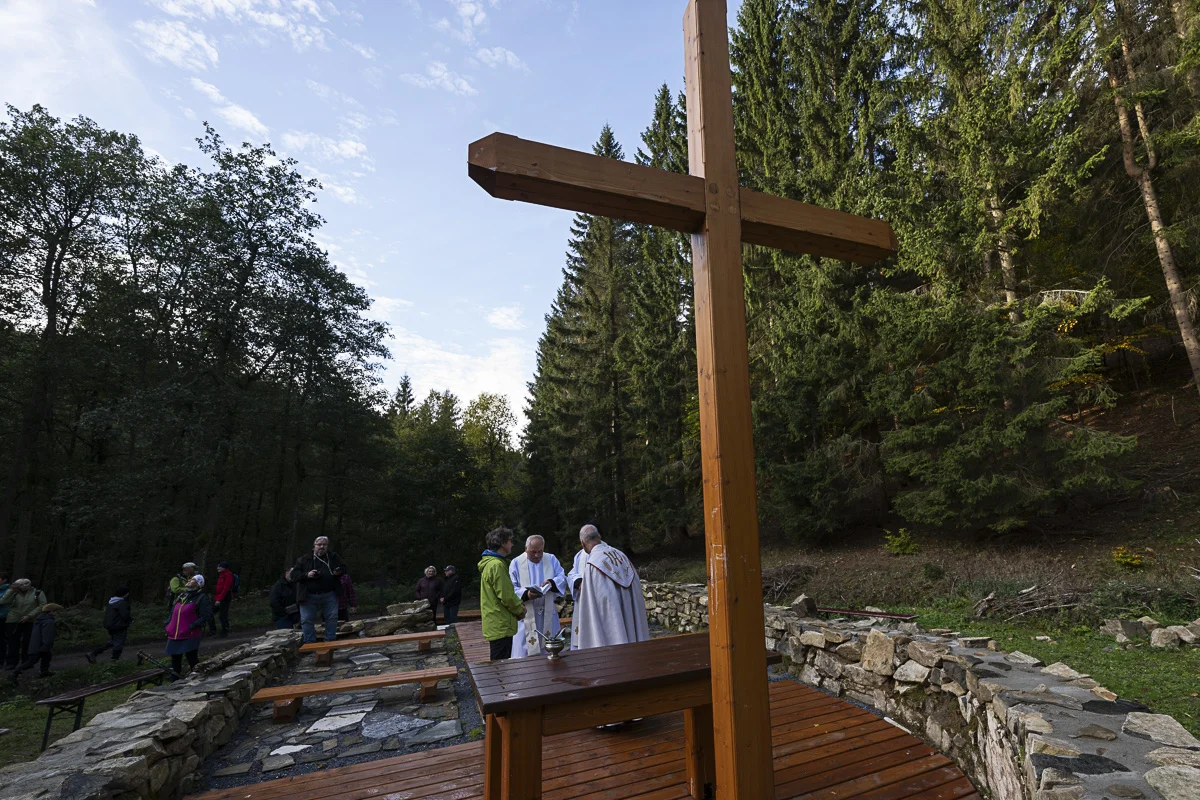
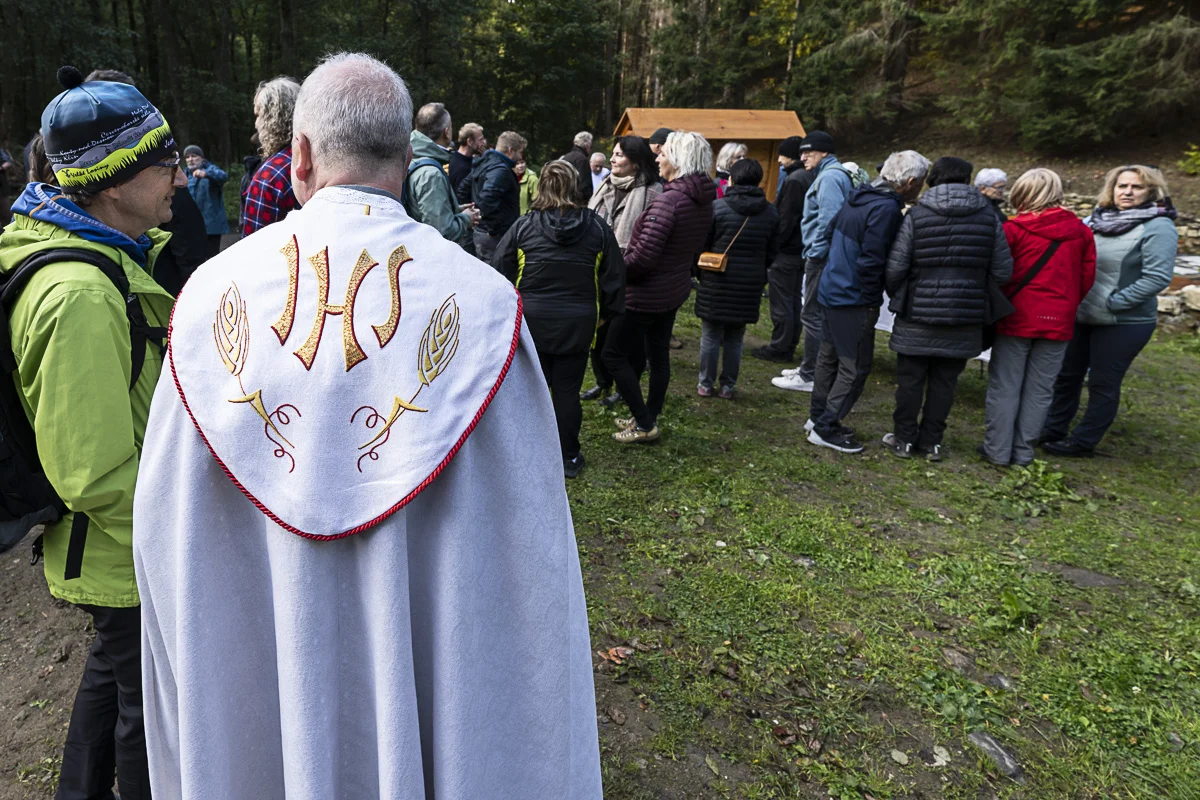
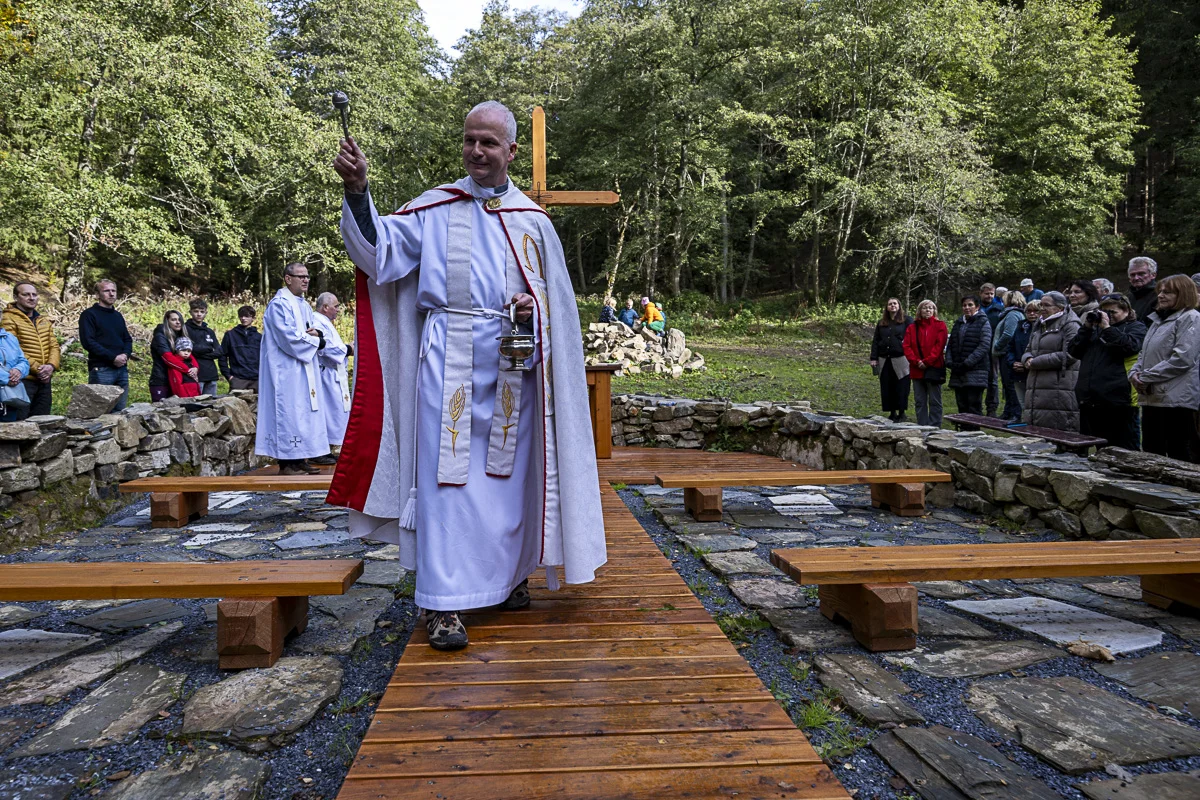
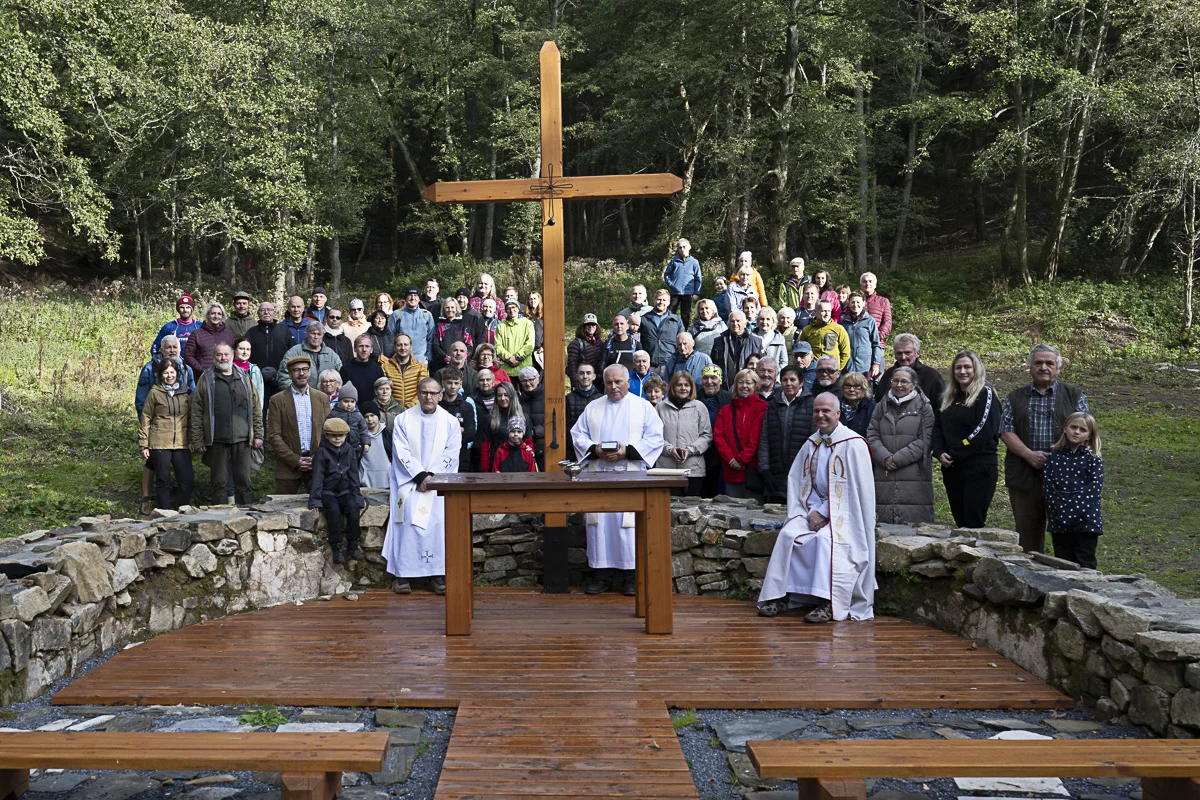
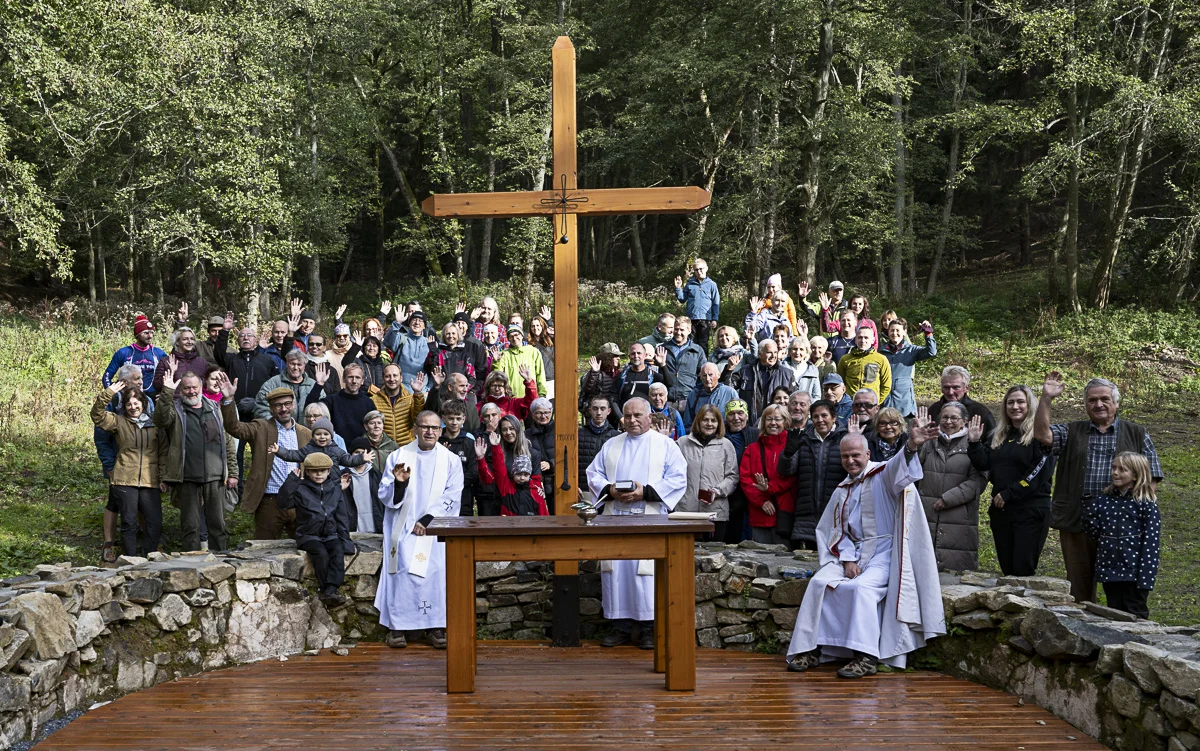
A new cross was solemnly consecrated on Saturday, 17 October 2026, in the restored foundations of the former Adamov chapel. The place where the inhabitants of the mountain settlement once gathered has thus once again received a prominent symbol of its history. Behind the preserved ground plan lies the story of a local native who had the chapel built, a local painter, and the people who cared for the building for decades.
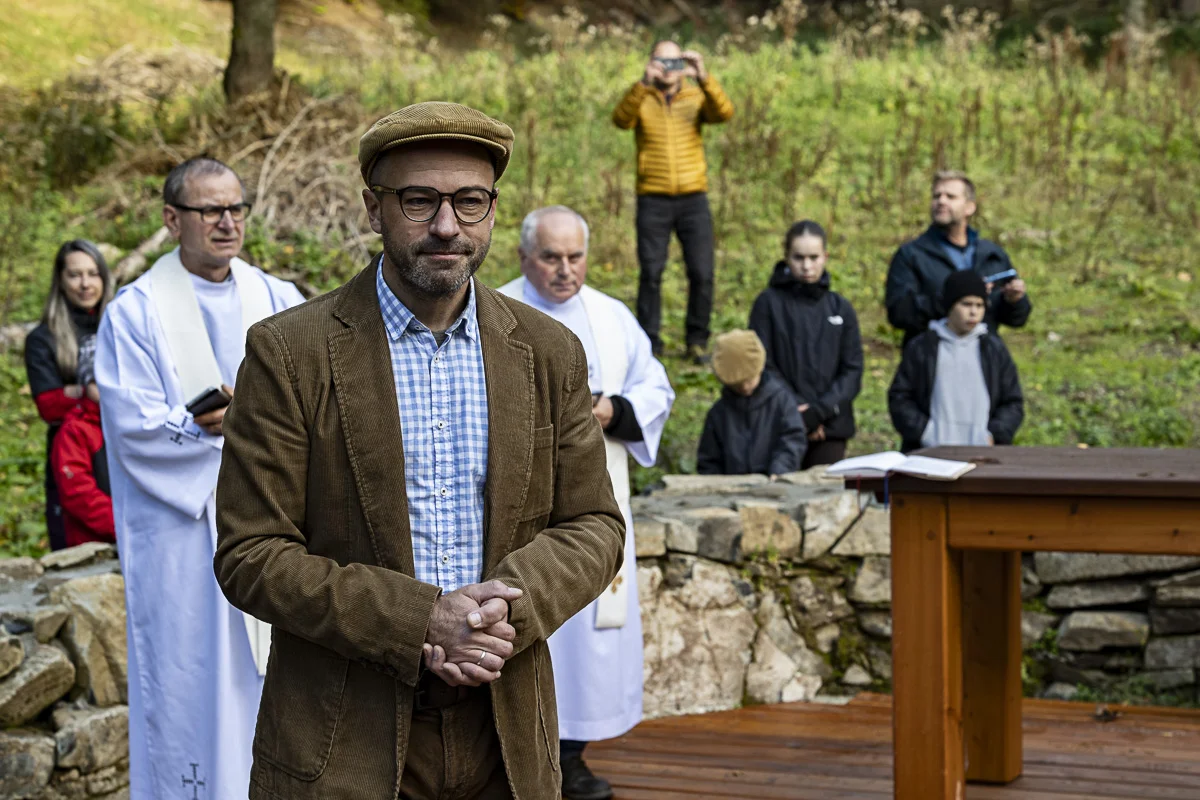
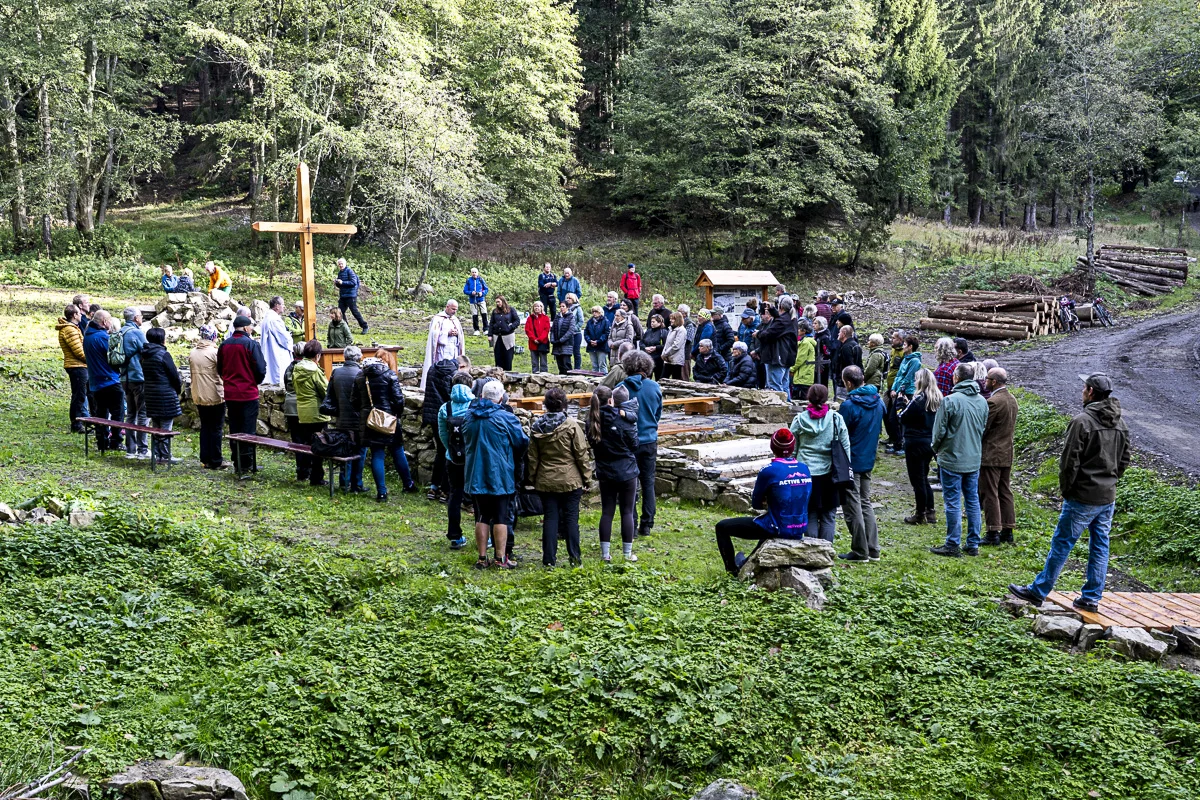
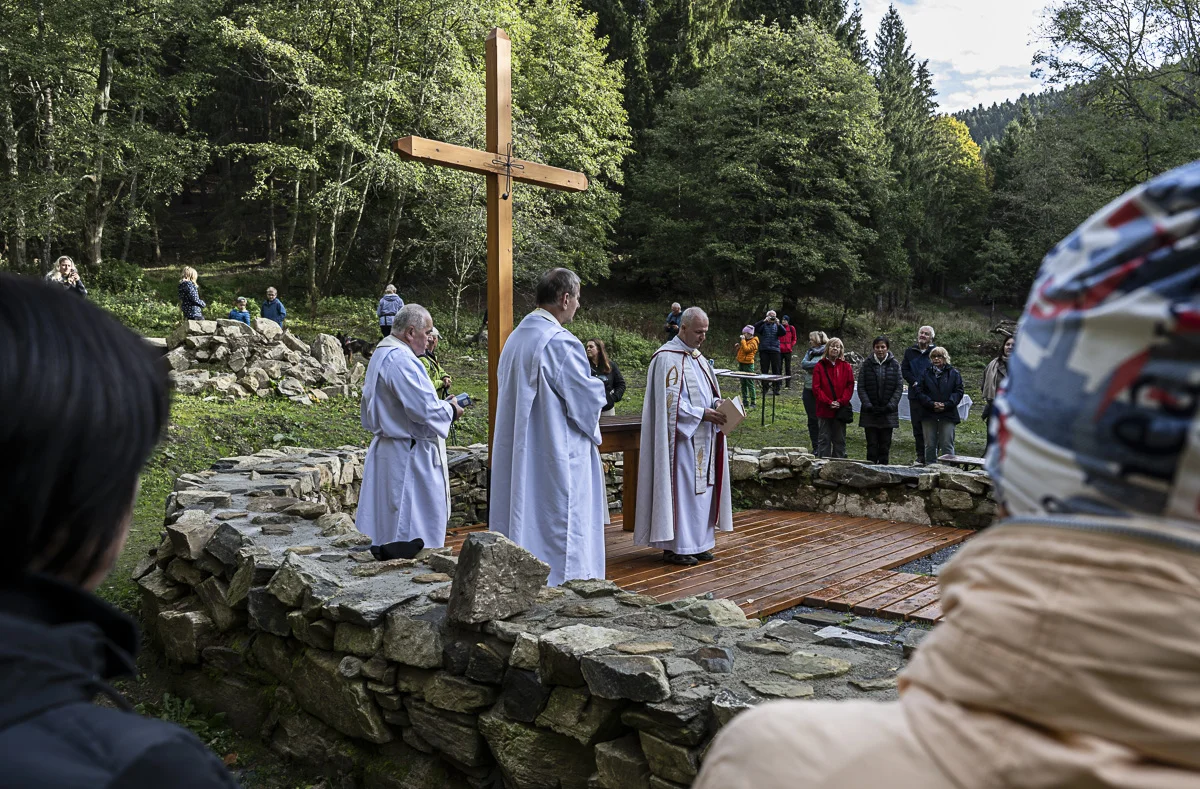
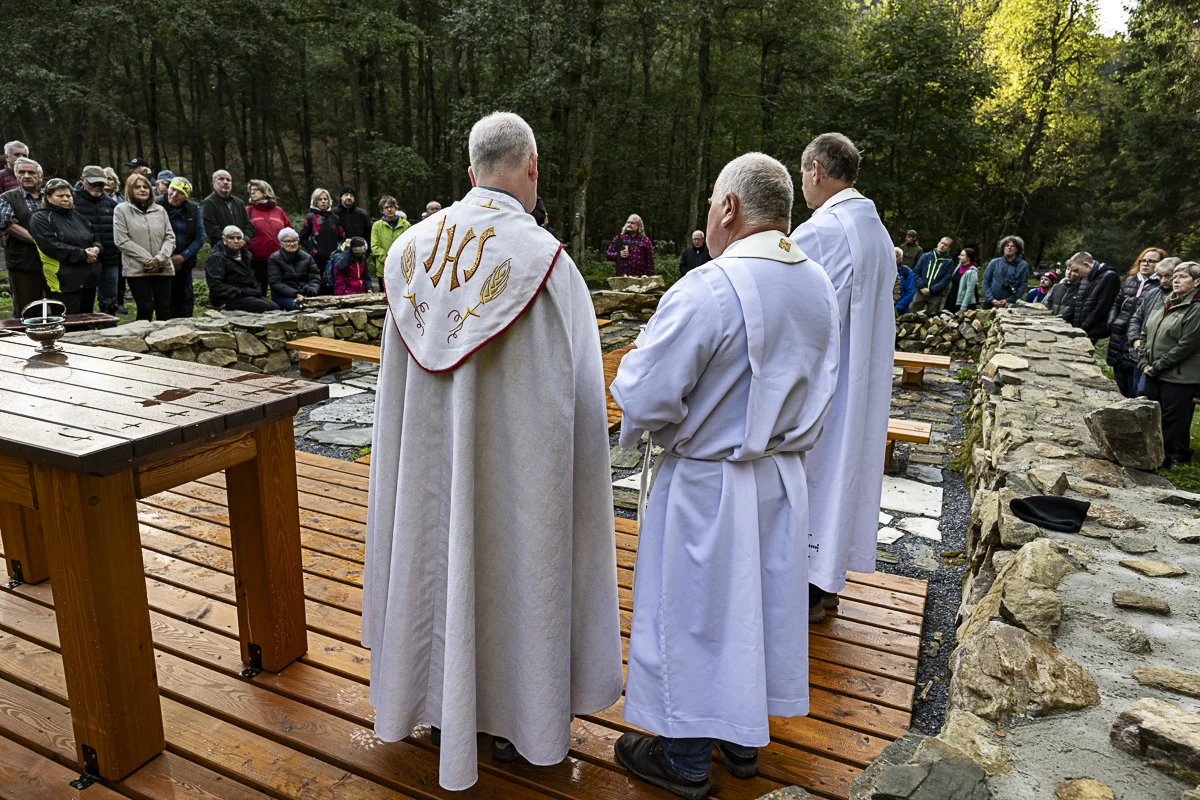
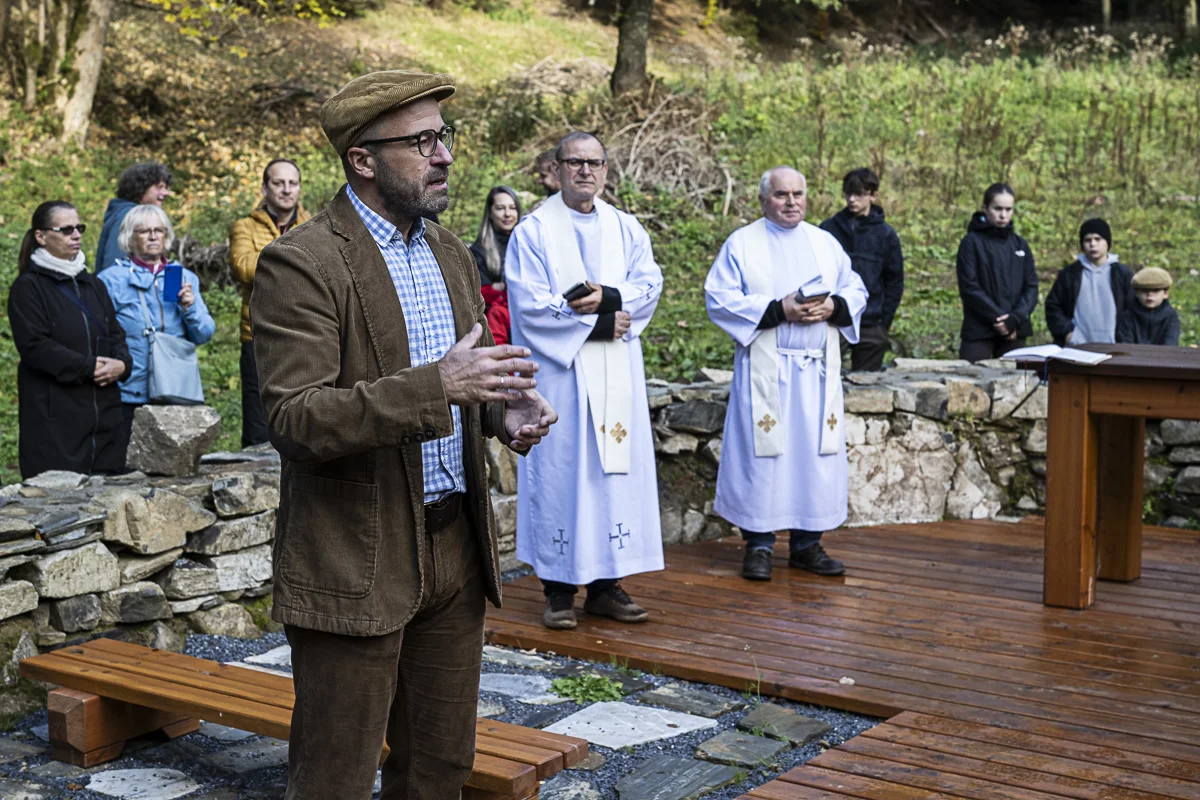
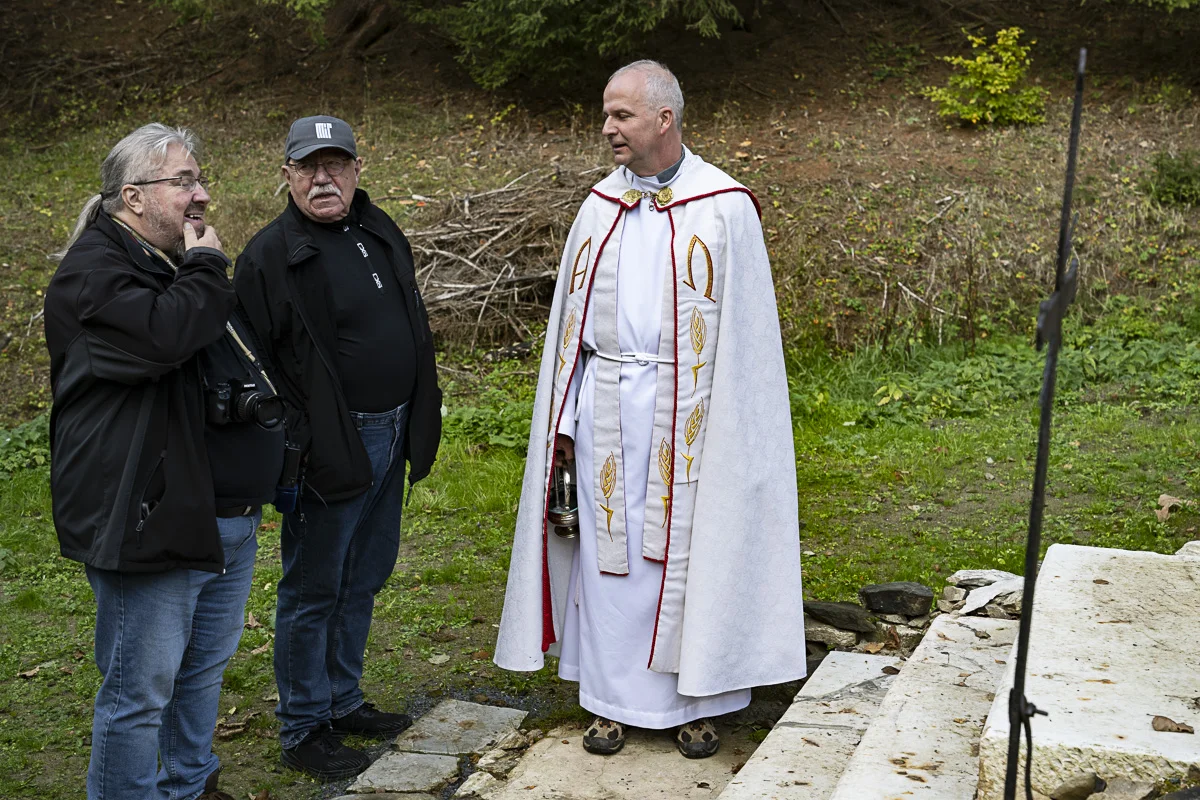
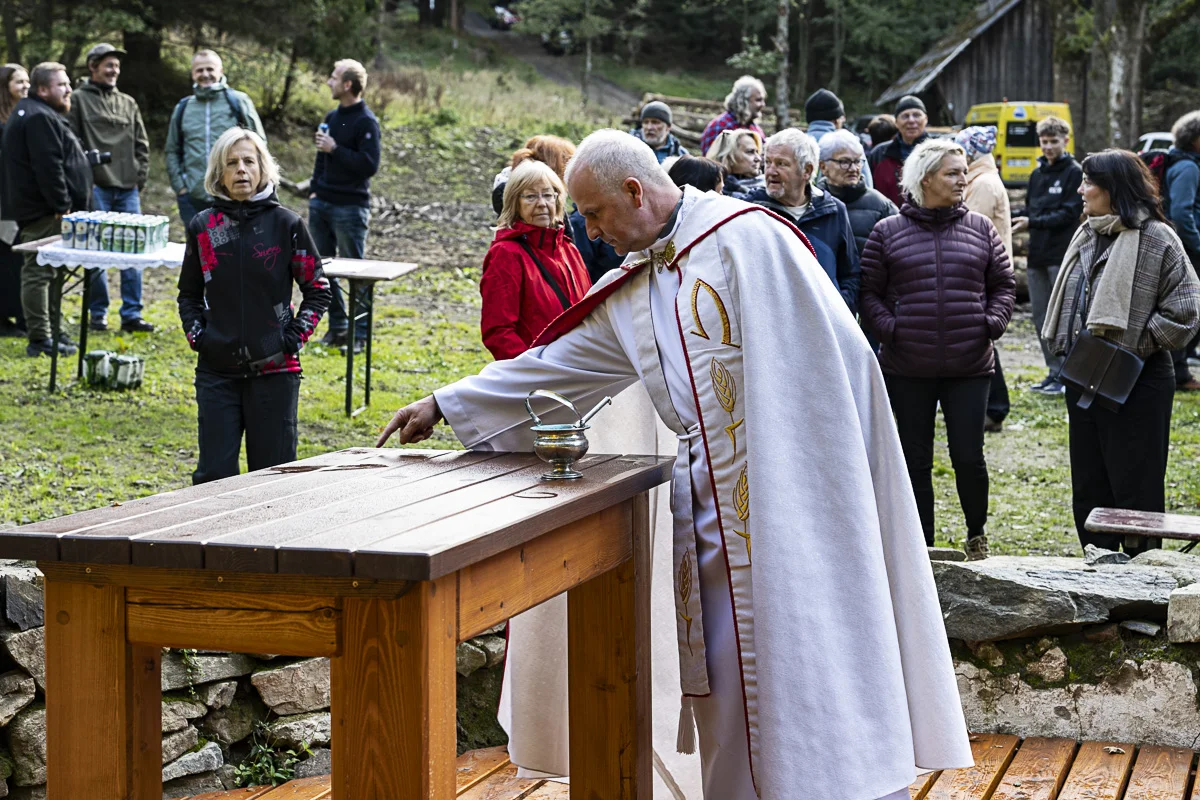
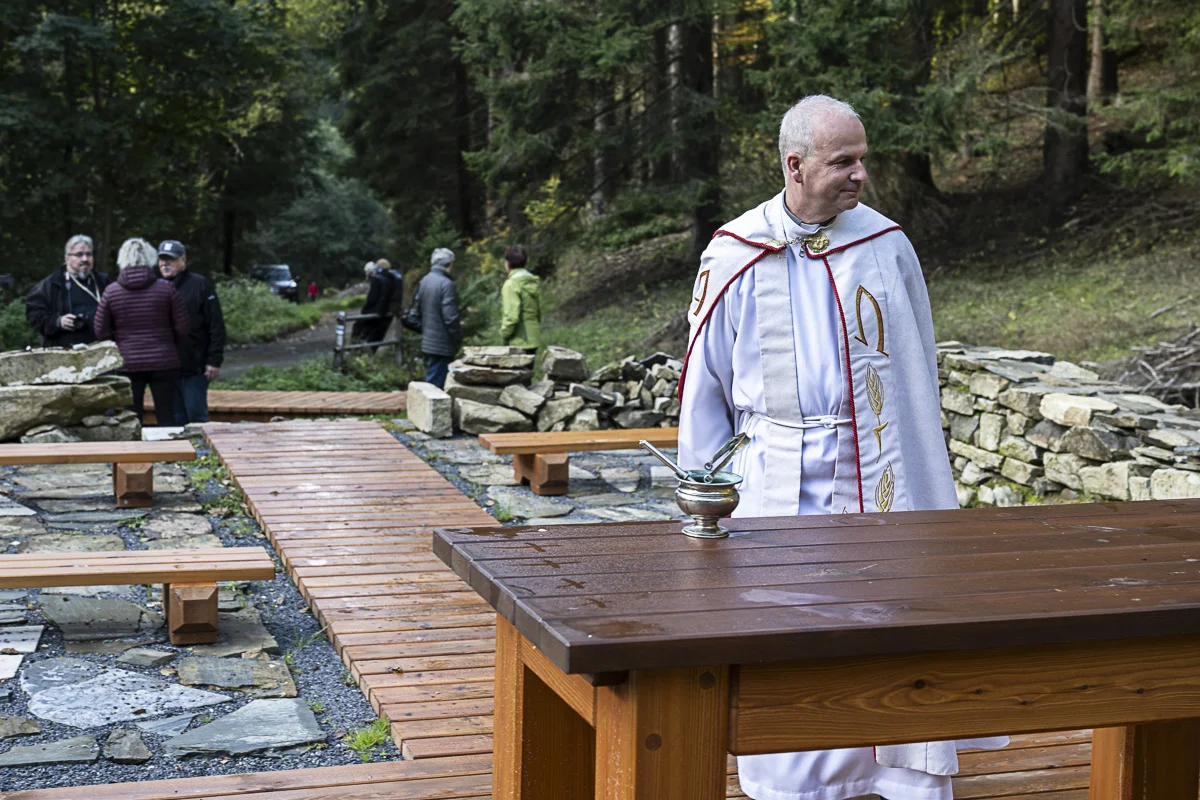
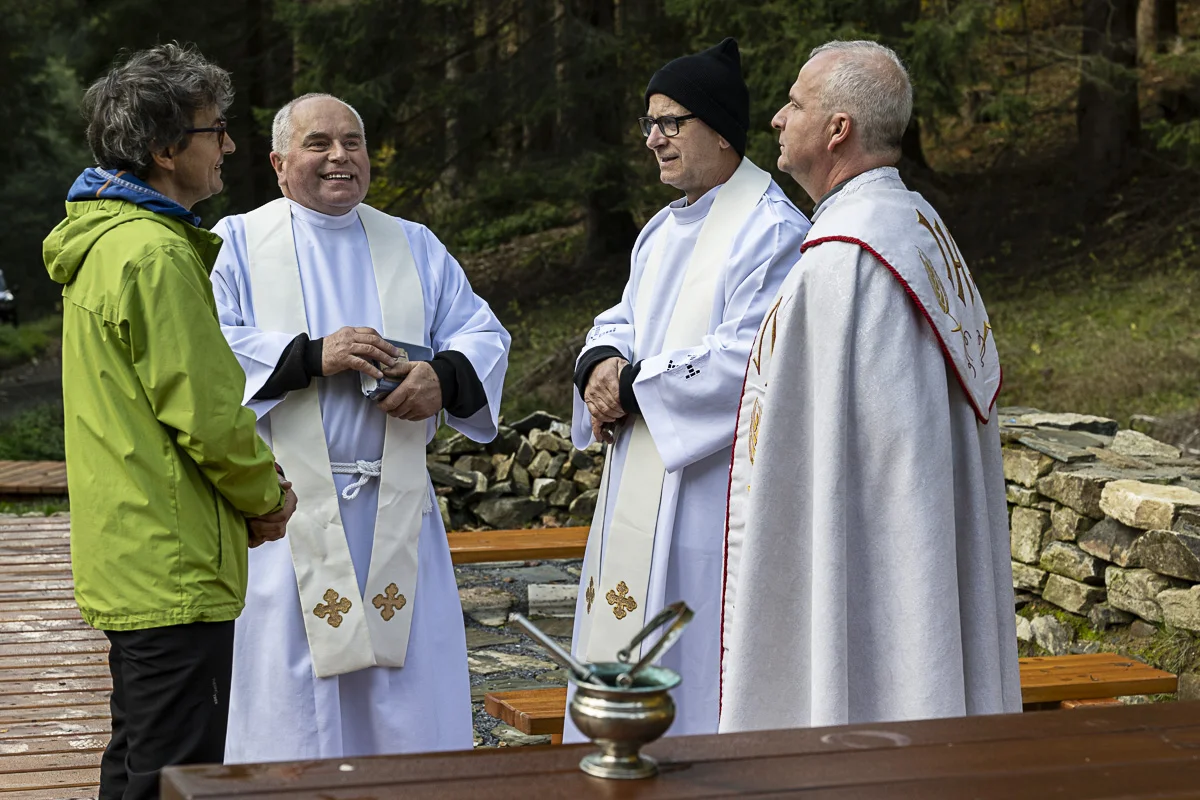
The ceremony was conducted by Fr. Pavel Ryšavý from Zábřeh, with the participation of Fr. Artur Andrzej Górka, parish priest in Hanušovice, and chaplain Fr. František Janíček. Deputy mayor of Staré Město Vlastimil Peštál was also present. The new cross stands in the restored foundations of the former Adamov chapel dedicated to the Visitation of the Virgin Mary.
Adamov, known in German as Adamsthal, used to be a settlement with houses, a school, and its own place for communal devotions. This existed even before the chapel. According to a document later published by the newspaper Grenzbote, people gathered under the open sky only a few steps from the site of the future building. When the weather was poor, they retreated to house No. 13.
The chapel was commissioned by Anton Katzer, a native of Adamov and a miller working in Šumperk. According to the same document, the plan was prepared by the master mason Löhnert from Staré Město, the building timber was donated by Prince Johann of Liechtenstein, and the builder on site was represented by his brother Gregor.
We know these details thanks to a report on the repair of the tower from 1920. The Grenzbote newspaper then printed the document stored in its finial. It states that the foundation stone was laid on 15 June 1881 and the finial installed on 4 September of the same year. The parish chronicle of Kolštejn, however, places the building and its blessing in the year 1882. We have not yet been able to explain this discrepancy with certainty.
The interior of the chapel also recalled another native of Adamov. The parish chronicle records several paintings by the local artist Antonio Aust there. The small mountain chapel thus preserved the works of a man whose work appeared elsewhere in the surrounding area as well.
The chronicle also records quite practical concerns about the building. In 1937, its foundations were damaged by water while the nearby meadow was being irrigated, and cracks appeared in the walls. The water had to be diverted by piping, the masonry repaired, and the chapel whitewashed and repainted. It also received new doors and a new bench in front of the entrance. According to the record, the costs were covered by the priest and his sister Anna.
The postwar disappearance of the settlement meant the end for this building as well. The preserved heritage sheet still describes its rectangular nave, semicircular apse, and tower with an onion dome, but also peeling plaster and a ruined inventory. The exact year of demolition has still not been established: sources give both 1960 and 1961.
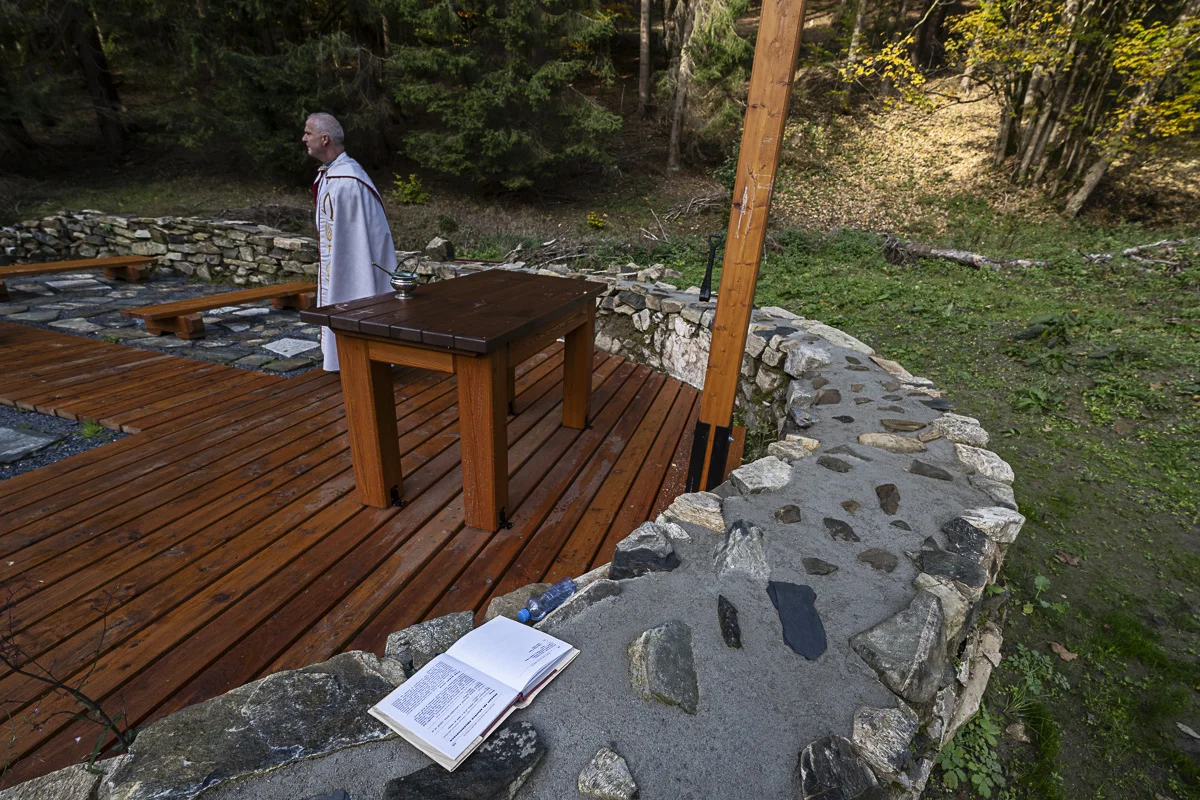
The current restoration has made the site of the main chapel accessible and recalled its ground plan. The original idea for the restoration came from Vojtěch Vyhnánek from Zábřeh, who has long been connected with the preserved former Liechtenstein forester's lodge in Adamov. He developed the plan together with his son-in-law Ondřej Jašek, who in April 2021 approached the town with a request for support for placing a wooden cross on the cleared foundations of the chapel. The then mayor Jiří Kamp welcomed the proposal and offered the help of municipal employees and equipment in preparing the terrain. The realization of the restoration was then significantly aided by the support of the town leadership headed by Mayor Lukáš Koreš.
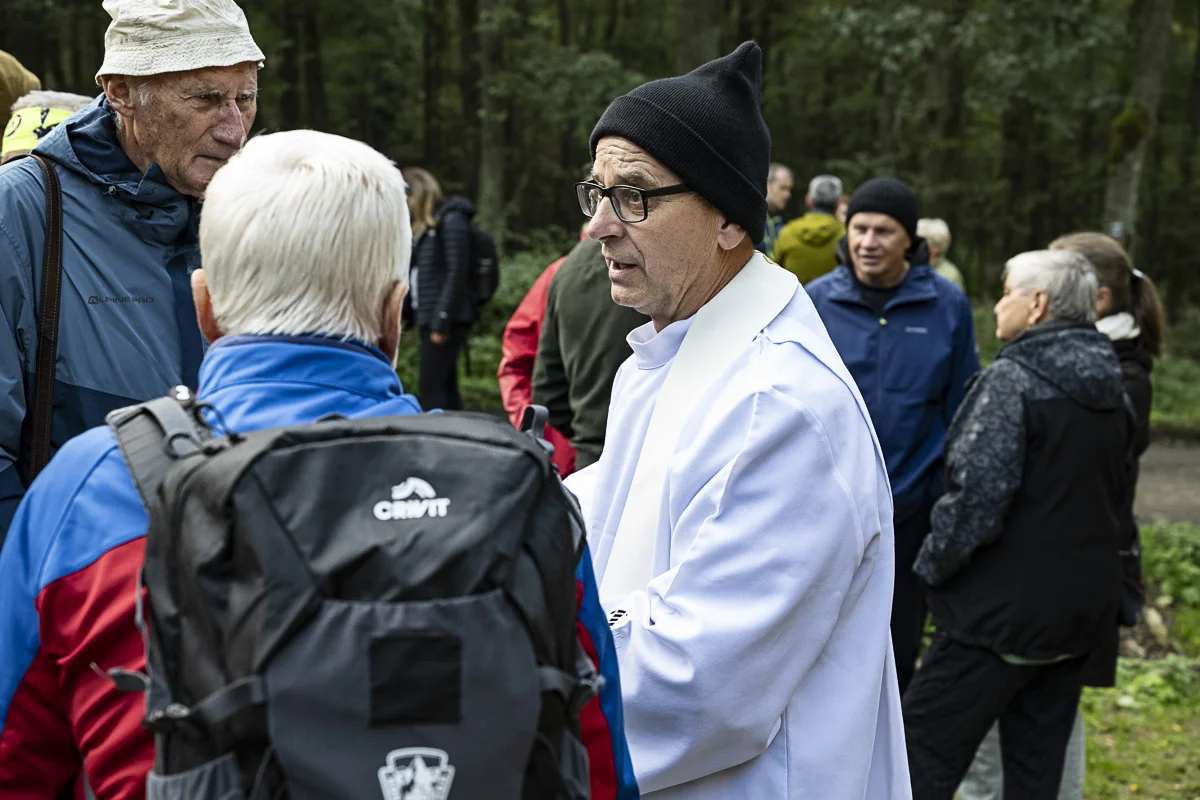
The cross consecrated on 17 October recalls the former religious significance of the place and adds a present-day event to its past. Photographs from the celebration capture another stage in the history of Adamov — the settlement whose houses disappeared, but to whose story one can return through preserved traces, documents, and personal memories.
We are now intensively working on a book publication devoted to the history of Adamov. It will also present in detail the story of the chapel — its origins, appearance, the fate of the people connected with it, its demise, and the current restoration of its foundations. We draw on archival documents, period press, photographs, and the memories of witnesses.
Text © Lukáš Horký · Photography © Lukáš Horký